What I’ve Learned About Indonesia
After a month in Indonesia, there’s a lot I’m discovering about the world’s fourth most populous country. I knew Indonesia mostly as a beach and scuba diving destination and Bali as the setting for the book and movie “Eat, Pray, Love” but there is so much more to know about this country. Some of it is practical, some of it surprising, and some of it has made me laugh.
So, in no particular order, here are a few things I’ve learned so far.
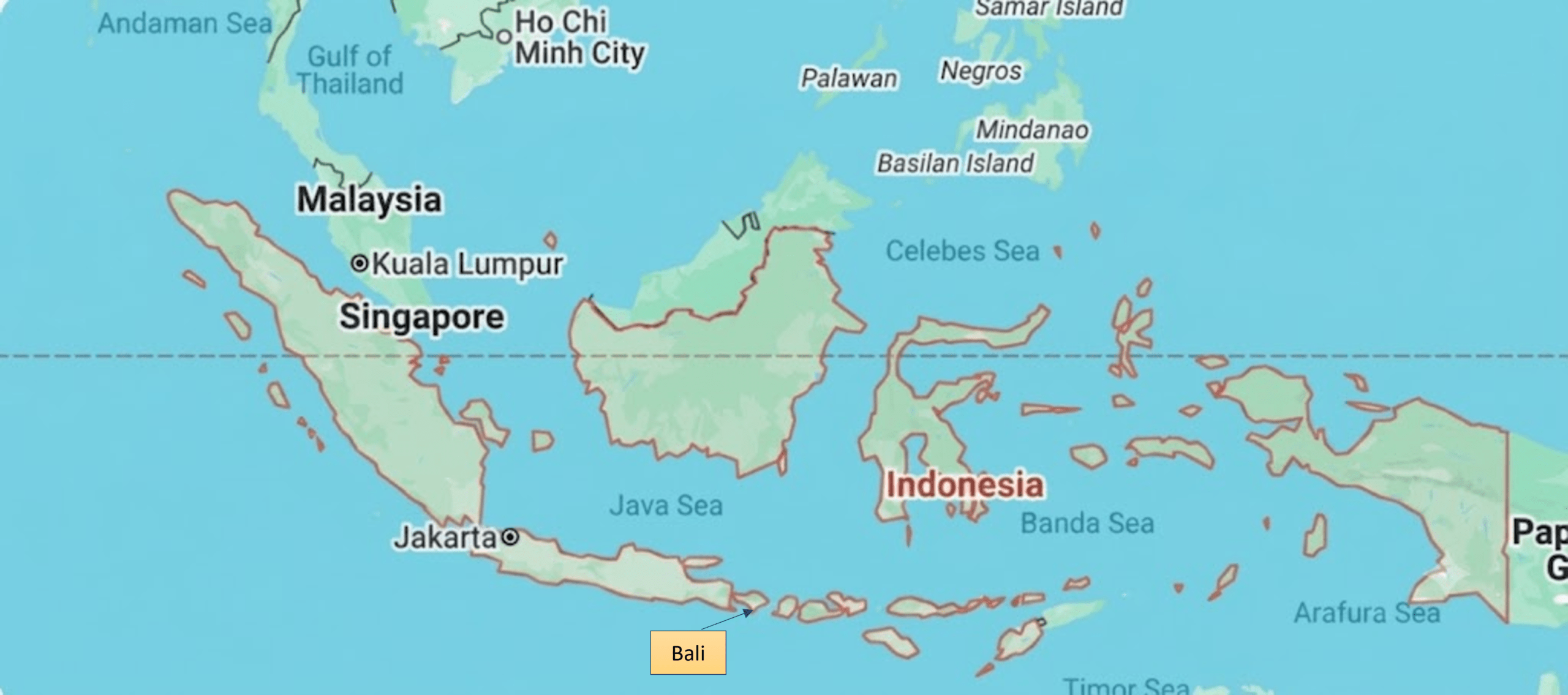
Bali is just a small speck
A map makes the difference obvious. Bali is just 0.29% of the total land mass of Indonesia – almost a rounding error in a country of over 17,000 islands. But for many people, Bali = Indonesia.
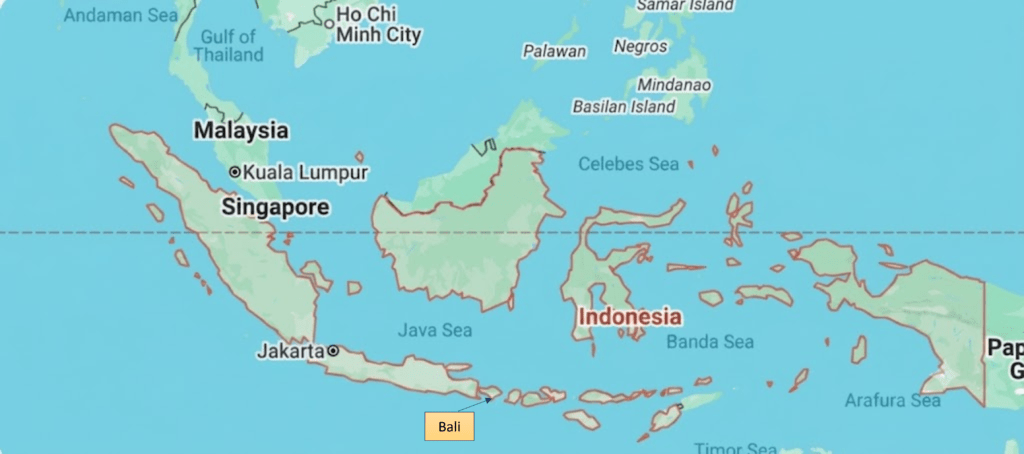
The reality : Indonesia is enormous. The 17,000 islands stretch roughly the same distance as the continental United States from east to west, or about the width of the Atlantic Ocean between New York and London and spans three time zones. While united by a common language, Bahasa Indonesia, each island has its own distinct culture, food traditions, local language and religious traditions.
The March of Religions and Indonesian ID Cards
Did you know Indonesia is home to the world’s largest Muslim population? That was something I didn’t know before coming here. When I think of Muslim countries, I tend to think of Saudi Arabia, Iran or the United Arab Emirates or other countries in the Middle East.. I certainly didn’t have Indonesia at the top of the list.
240 million Muslims live here, more than the populations of Saudi Arabia, Iran and the UAE combined!
Today, Muslims make up 87% of the population with one province, Aceh, formally using Sharia (Islamic) law rather than national civil law with religious police monitoring dress codes, public behavior and even banking. In fact, when I was in Aceh 2 years ago, I recall my hotel’s reception desk had a sign reminding couples that they needed to show a marriage certificate to check in together.
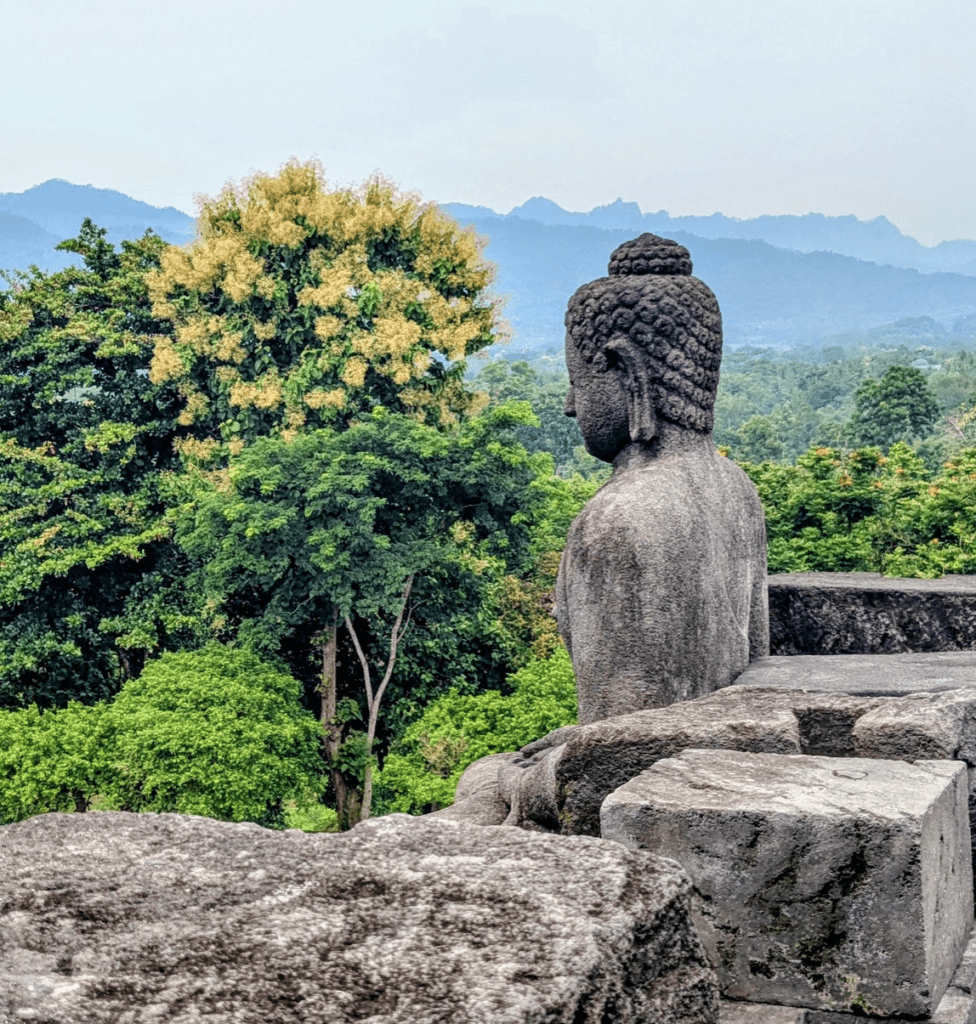
But it wasn’t always this way. Seafaring traders from the Indian sub continent brought Hinduism and Buddhism in the 1st-5th century and Muslim traders from Arabia and Persia brought Islam in the 7th century. The arrival of the Dutch and Portugese in search of the spice trade brought Christianity to these islands.
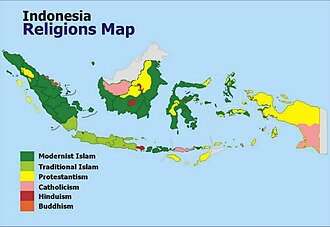
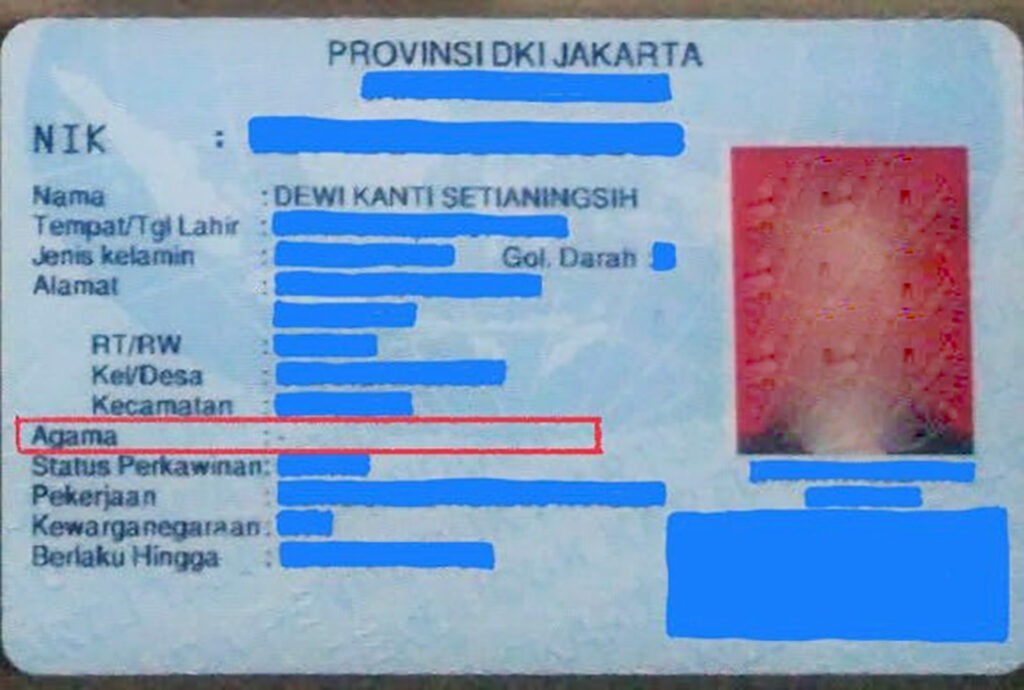
Finally, here’s something that isn’t on my Minnesota driver’s license. An Indonesian identity card includes an individual’s religion.
Religion choices for an Indonesian ID card include Islam, Protestantism, Catholicism, Hinduism, Buddhism and Confucianism as well as indigeous belief systems. However, I don’t believe that there is an option for “none of the above“,
Water (and the truth about my Sawyer filter)
One thing I’ve had to adjust to in Indonesia is water. Unlike in Japan, Singapore or the United States, I don’t turn on the tap here and assume it’s drinking water. I brush my teeth with it, but I don’t drink it.
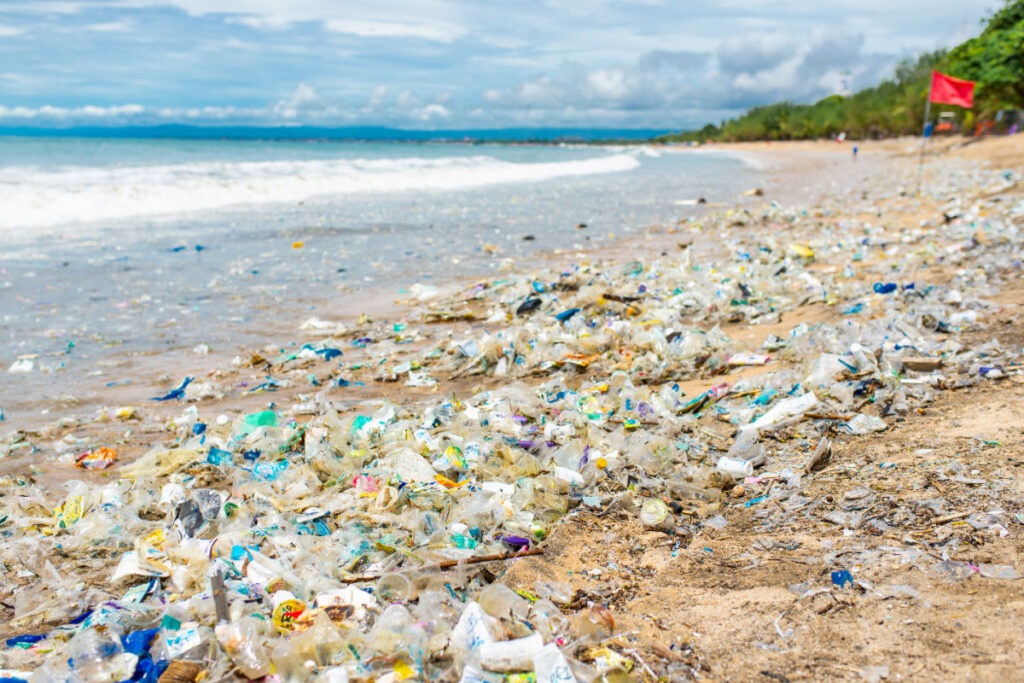

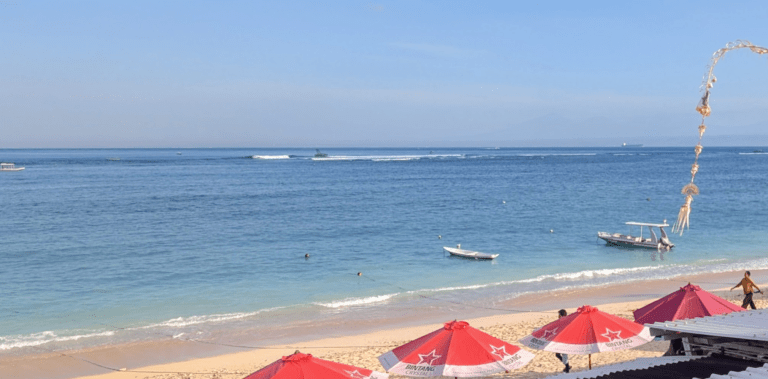
I hate buying single use bottled water. On Nusa Lembongan, ocean currents can bring plastic waste over from Bali and the amount of plastic washing up on the beach is depressing. Bottles, bags, food packaging and the occasional flip-flop. There is a lot of it.
I came prepared to do my part to reduce plastic waste.
I packed a portable Sawyer water filter, which was advertised as removing 99.99999% of bacteria, 99.9999% of protozoa and 100% of microplastics and lasting up to 100,000 gallons.
Then I read the fine print.
Sure, the Sawyer filters out most bacteria, protozoa and microplastics. What I hadn’t paid enough attention to was what it doesn’t remove: viruses, chemicals, pesticides, heavy metals or other dissolved contaminants.
I had brought a very good filter, but I what I needed was a water purifier. 😡
My grand plan to eliminate plastic bottles wasn’t quite as clever as I thought. I could filter the tap water and boil it to kill the viruses, but it still left me with the potential for other contaminants.
Back to bottled water. Which, of course, was exactly what I was trying to avoid.
You Too Can Be A Millionaire in Indonesia
Want to be a millionaire? Come to Indonesia.
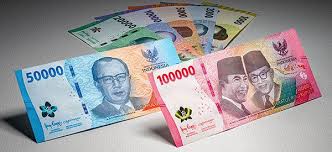
US$100 gets you roughly 1,750,000 Indonesian rupiah Suddenly, you’re a millionaire.
The largest Indonesian banknote is 100,000 rupiah (US$5.60), so even small purchases can involve a surprising number of bills. A cappuccino might cost 40,000 rupiah. A ferry ticket can be 500,000 rupiah. And when the monthly rent comes due at 4,000,000 rupiah, you need a pretty impressive wad of cash.
That coffee? About $2.30. A ferry ticket? About $29. Credit cards? Not so much unless you’re in a tourist area or a national convenience store.
Enjoy being a millionaire.
Getting Around: Grab, Gojek and Scooters
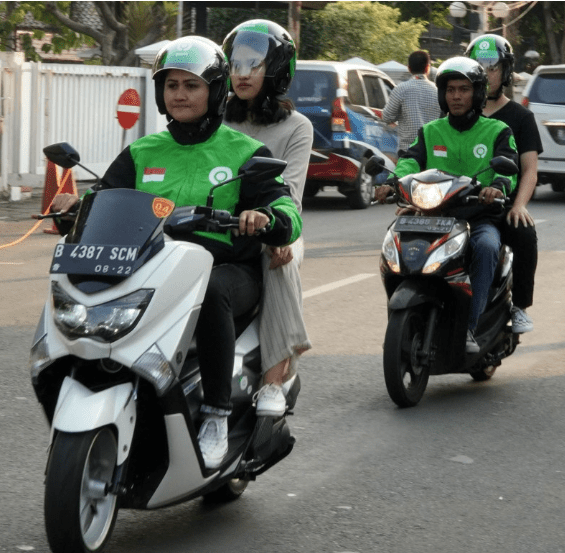
Grab and Gojek are the Indonesian versions of Uber and Lyft. Both are incredibly affordable. A car from the airport to Sanur, a beachside community about 10 miles (16 km) away, can cost less than US$6.
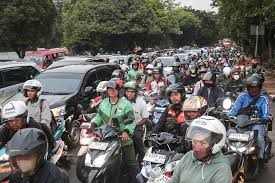
The catch? Bali has a serious traffic problem. With millions of tourists arriving every year, the roads are often gridlocked,. That 10-mile trip from the airport to the beachside town of Sanur can easily turn into an hour-long ride. And when you are sitting in the back seat of a car watching scooters zip past you on both sides, you start to wonder whether there is a better way.
Both Grab and Gojek offer motorcycle / scooter rides. Instead of a car, you get on the back of a scooter with a driver, who then proceeds to thread through the traffic.
It is considerably cheaper than a car and, more importantly, considerably faster.
Source: Bali Sun
I had scooter lessons on my list of things to do in Bali. After all, learning to ride would free me from having to wait for a ride and give me more flexibility on the other islands where ridesharing doesn’t exist and the taxi mafia charges whatever they think you can afford.
Great idea in while I’m sitting in Minnesota. Not so great when I get to Bali….
There’s a good reason Bali’s hospitals and clinics are experienced at treating broken bones and road rash. While plenty of people do it, add that my medical insurance wou’t cover a scooter accident without a license. Learning to ride was perhaps not such a great idea after all.
So I’ve settled for riding on the back. It’s not exactly the same experience as an Uber in Minneapolis. But that US$2 scooter ride that takes 15 minutes can make far more sense than a car ride that takes an hour.
Cost of living and wages
The prices I pay as a visitor hide a different reality for local residents. A meal that feels inexpensive to me can mean a significant amount of money for someone earning a local salary.
Bali is considered one of the richer provinces in Indonesia with an average wage of about 4 million rupiah a month (US$230). An accountant might make 6 million rupiah a month (US$335).
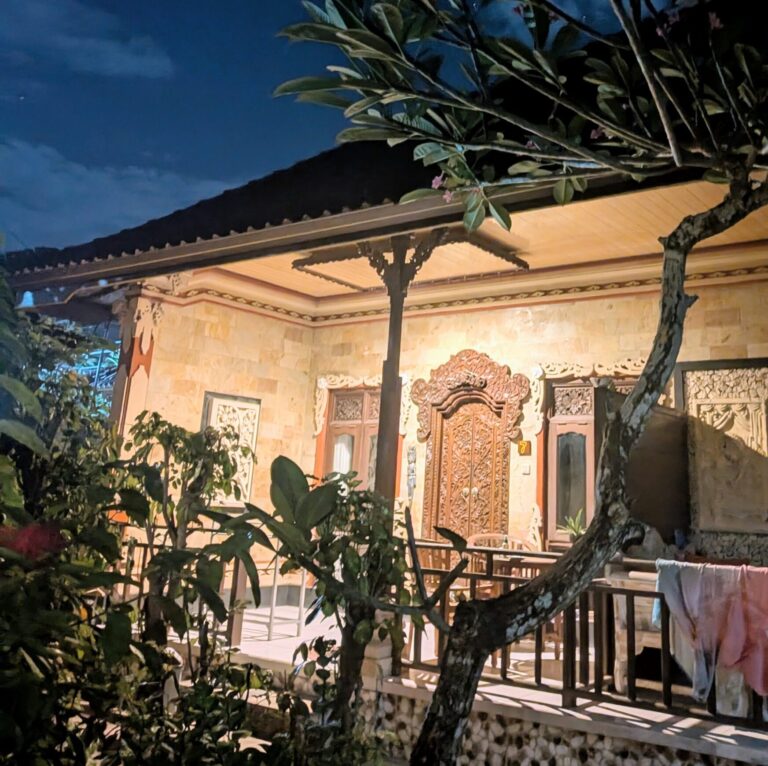
Remember my US$225/month bungalow in Nusa Lembongan from my last post? A bargain, you say? Almost a month’s wages for the local resident.
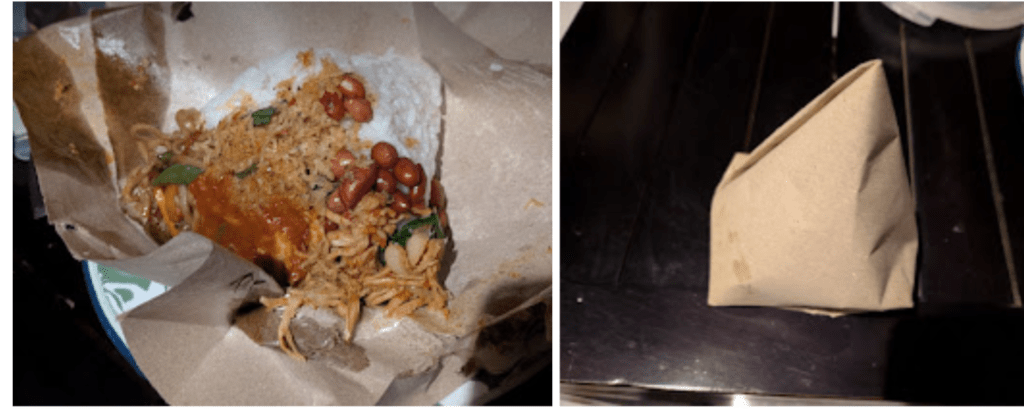
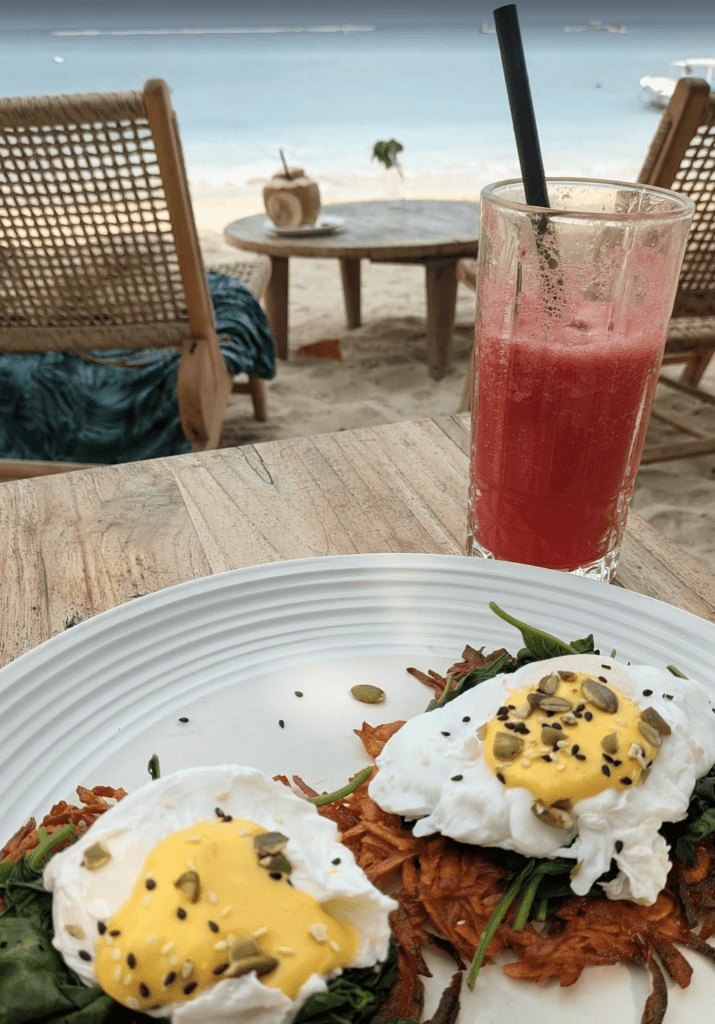
So while I enjoy my $8 brunch of eggs benedict and cappucino on the beach, the savory “mystery triangle rice packet” that I pick up from the local warung at 15,000 rupiah (< US$0.85) for dinner with a filling protein, vegetable and amazing sauce is more in line with the local scale. Both, equally yummy
It’s easy to think of Indonesia as a “cheap” country, but cheap is relative.
My first month in Indonesia makes me aware that there’s still a lot to understand and learn. I’m leaving Nusa Lembongan for the island of Lombok for ten days before heading to Borneo. I’ve learned a lot but I feel like I’ve barely scratched the surface. It’s probably a good reason to keep coming back and exploring.
What else are you curious about?
Let me know in the comments below and I’ll try to answer your questions or include them in a future post
Stay In Touch
I’d be honored if you want to keep in touch. This website and blog series are shared with family and friends only. Subscribe here so you don’t miss another post.
Love,
Mimi & Jingles

POSTS YOU MAY HAVE MISSED:
Lombok, Indonesia, Part 2: Island Tour
Having decided that surfing wasn’t going to be my next hobby (see previous post), I found a driver through Facbook,…

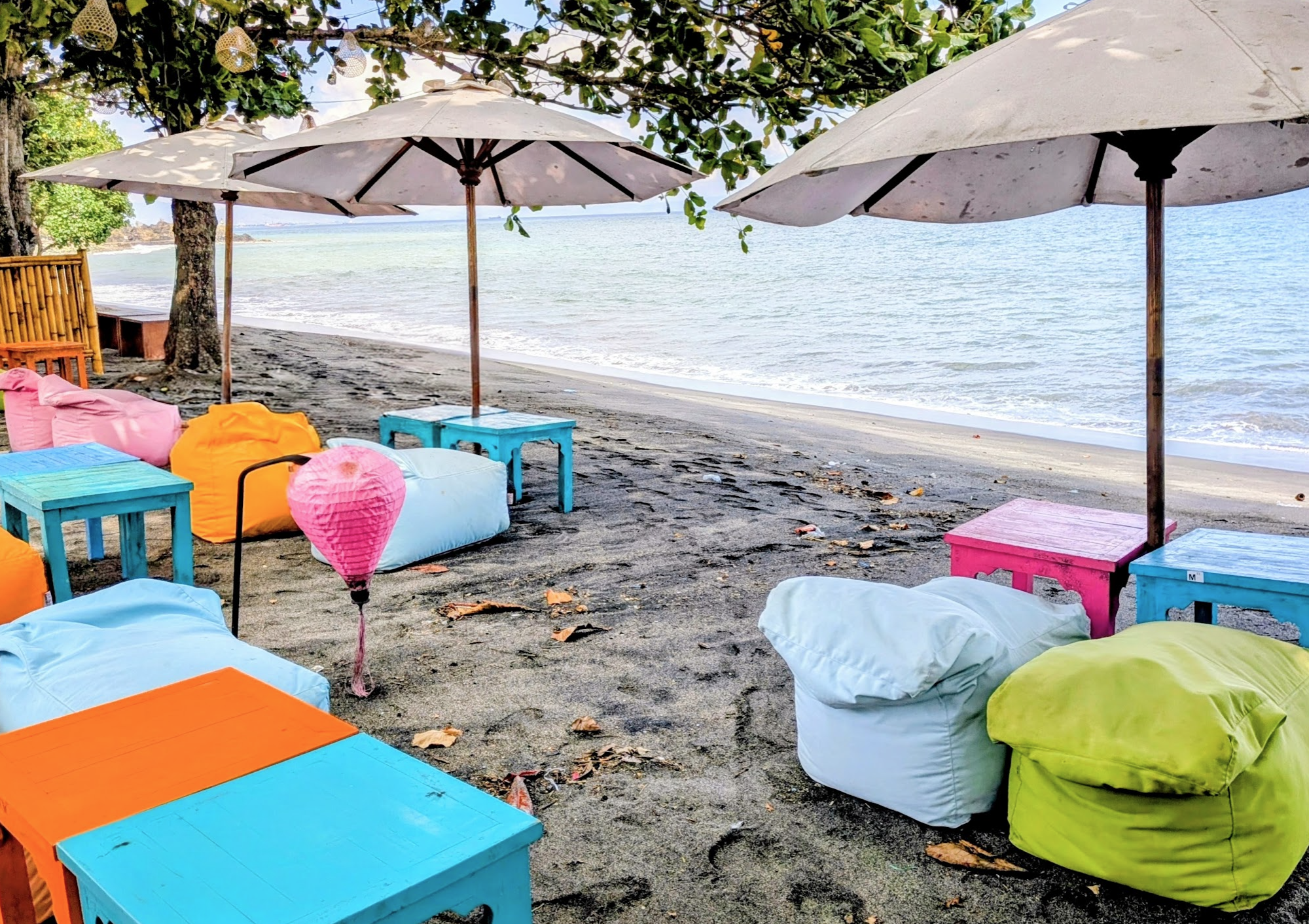
Lombok, Indonesia Part 1 : Senggigi
Senggigi surprised me with quiet beaches, friendly people, good coffee, knitting, and an ill-fated attempt at surfing….
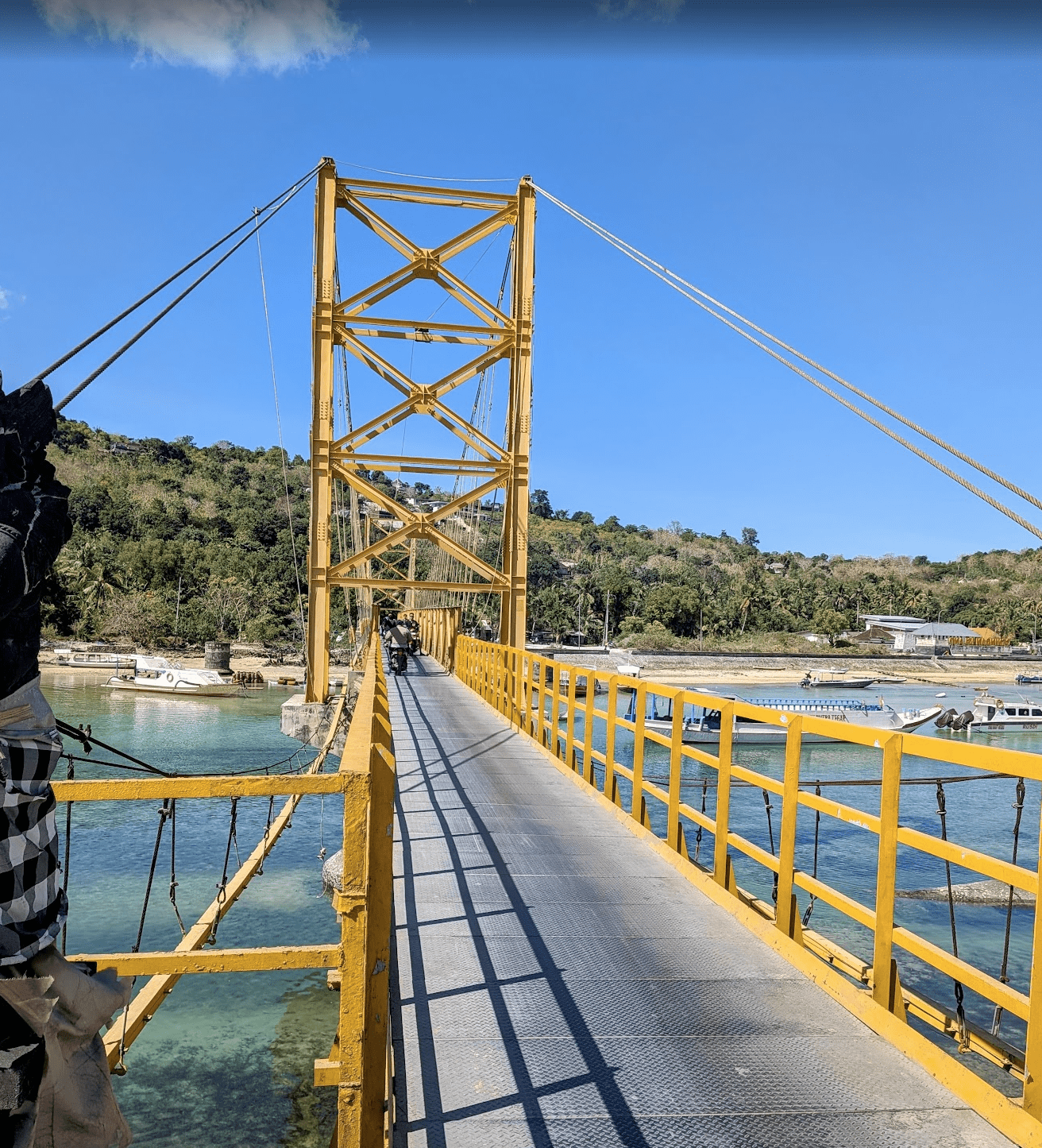
Finding A Rhythm For A Long Stay
Slow traveling in Nusa Lembongan means more than just scuba diving. I’ve developed some new routines and…
What I’ve Learned About Indonesia
How to be an instant millionaire, why my Sawyer water filter failed and other fun things I’ve discovered…
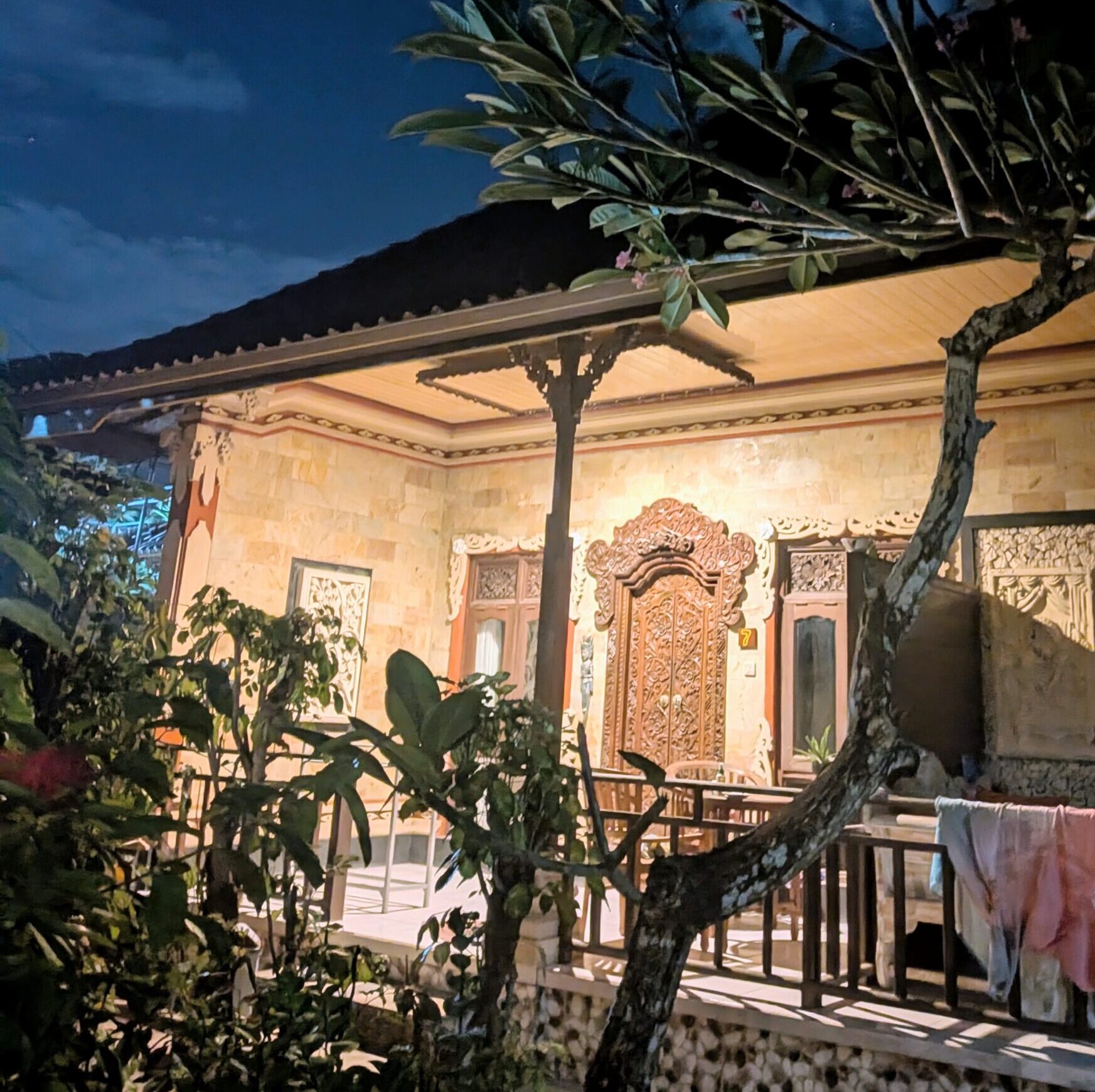
Inside My USD$225/Month Accommodation in Nusa Lembongan, Indonesia
There’s something comforting about staying in the same corner unit where I spent 10 weeks earlier this year. …
Nusa Lembongan, Indonesia : Settling In
In Nusa Lembongan, Indonesia for a month. Settling in versus being a visitor…
Thanks for sharing your insights, Mimi. It’s really interesting to read what you’ve come to know and understand. Safe travels to you.