Lombok, Indonesia Part 3: Kuta and Now I’m A Food Safety Inspector
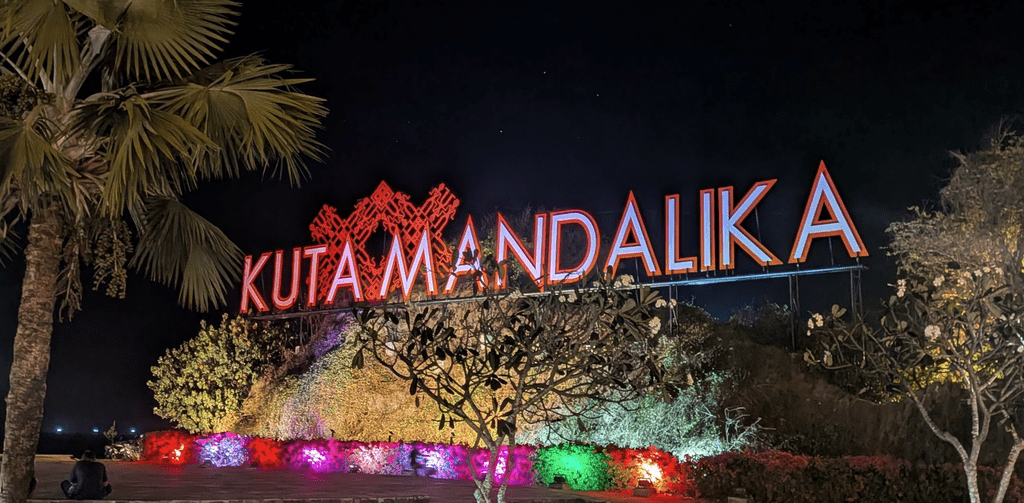
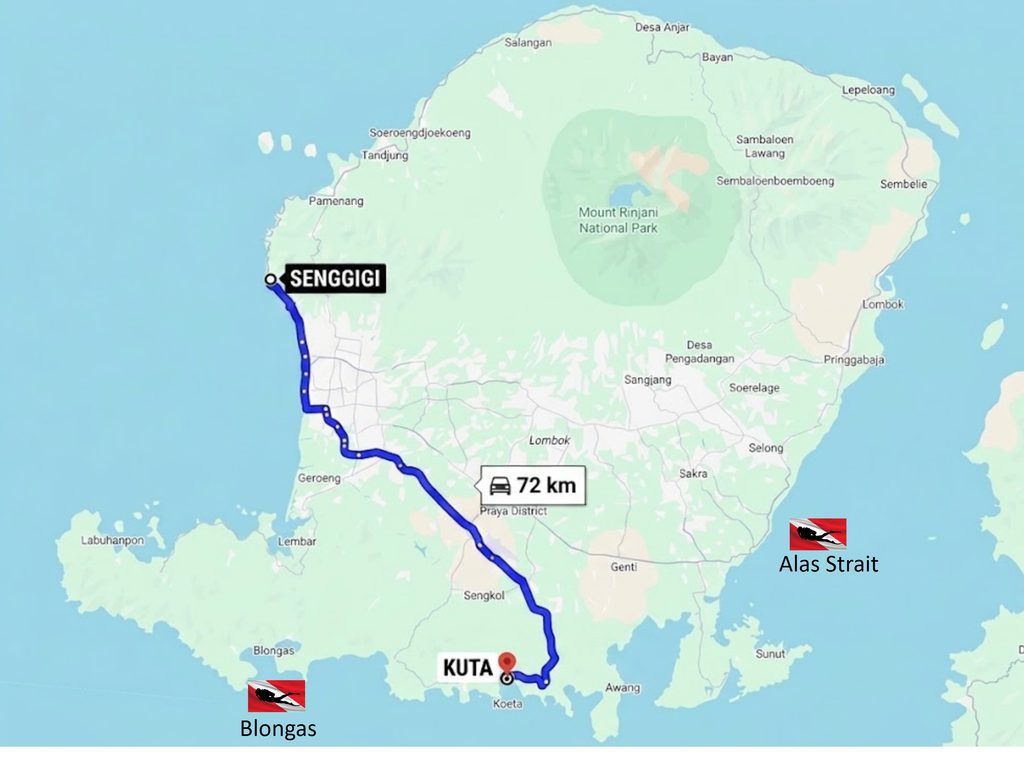
After my five days in Senggigi, it was time to head to Kuta on the southern end of Lombok. The two-hour drive was uneventful and, surprisingly, the roads were much better than the ones I had encountered in Bali.
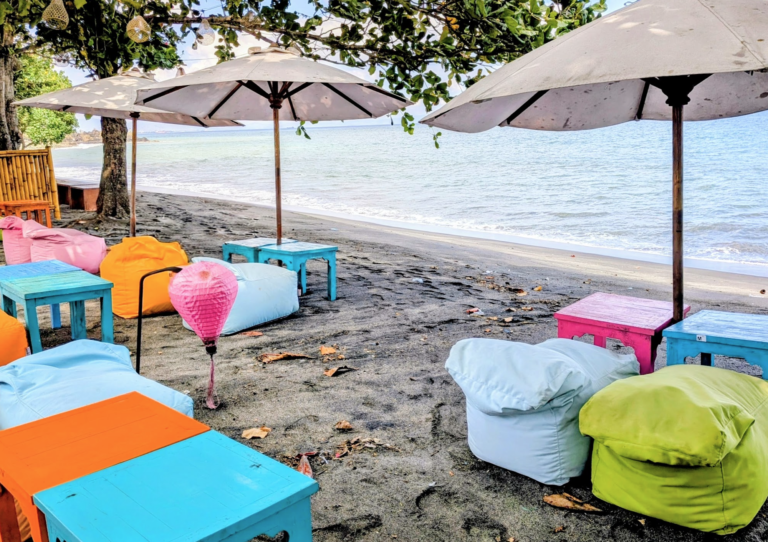
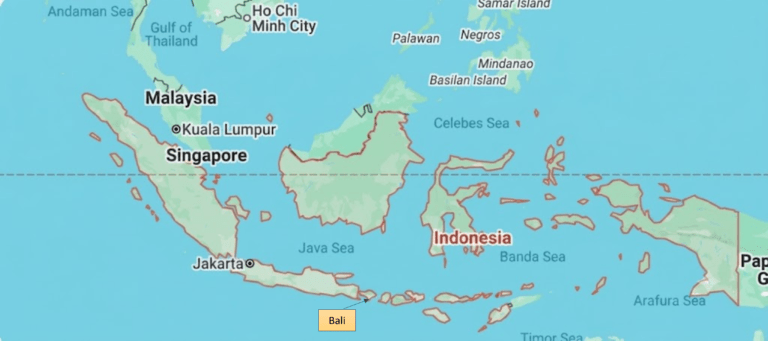
As recently as ten years ago, Kuta was a backwater town known primarily for its surfing. It’s now replaced Senggigi as the main tourist destination in Lombok. It’s only 25 minutes from the new airport and the government has targeted it as one of the “Ten New Balis”.
The infrastructure investment in wide four lane roads, fancy new resorts, bars and beach clubs are a stark contrast to Senggigi’s dilapidated and abandoned buildings. As a result, Kuta feels newer and more polished and western visitors seem to outnumber the local visitors.
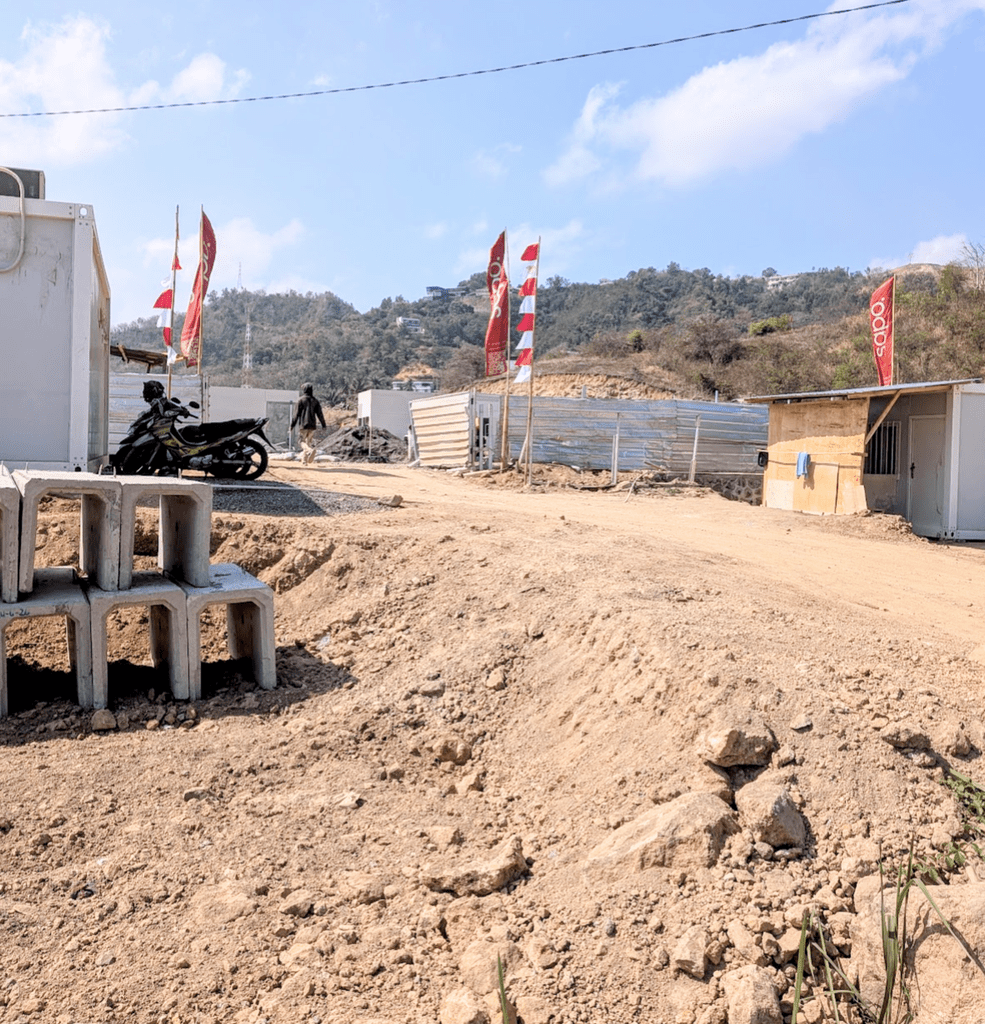
For now, Kuta is still a work in progress with hillsides being carved up for new villas with billboards everywhere for the “villa of your dreams”. It’s clearly an area poised to boom but whether or not it can do so sustainably and without the chaos and gridlock of Bali remains to be seen.
A Palatial Upgrade in Kuta, Lombok
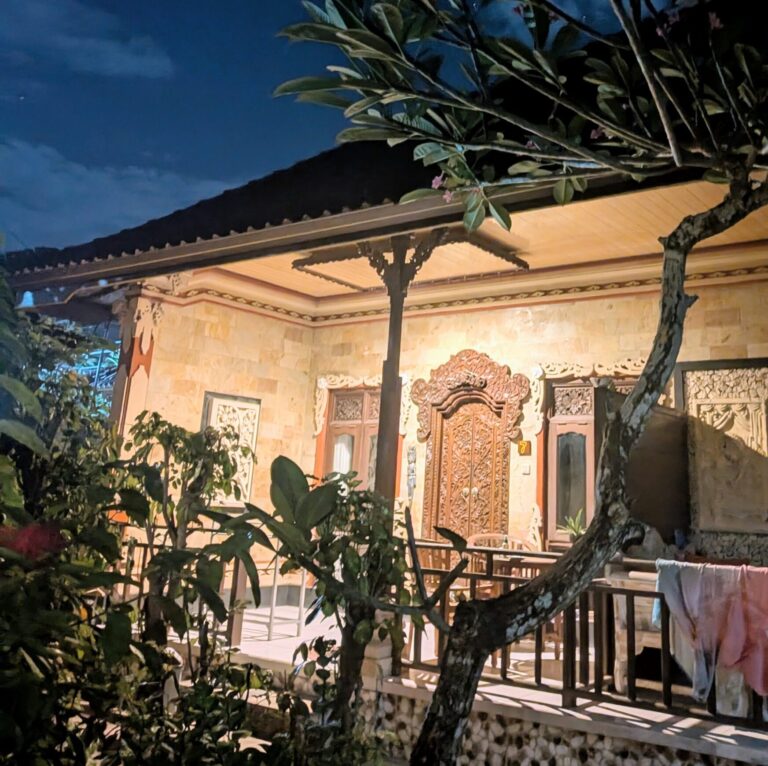
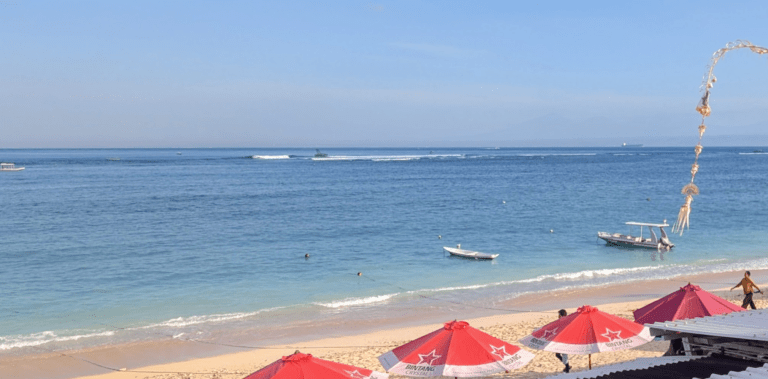
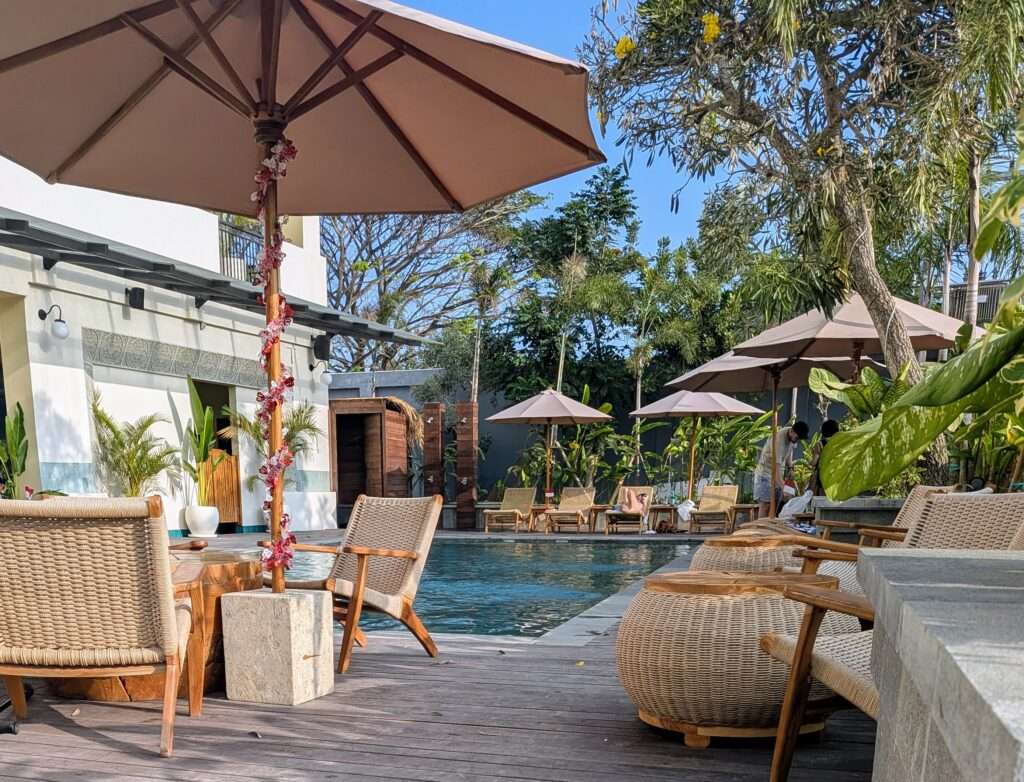
As always, I tried to book a place with good walkability, air conditioning and hot water and hopefully a pool. However, hotels that met this criteria at a price point similar to Senggigi proved to be more difficult to find here. I also read many reviews of hotels located close to mosques blaring their calls to prayer at 5am so I tried to find a place that would allow me to have a good nights sleep. I found it at Oceanside Montana Mandilika about a block from the beach.
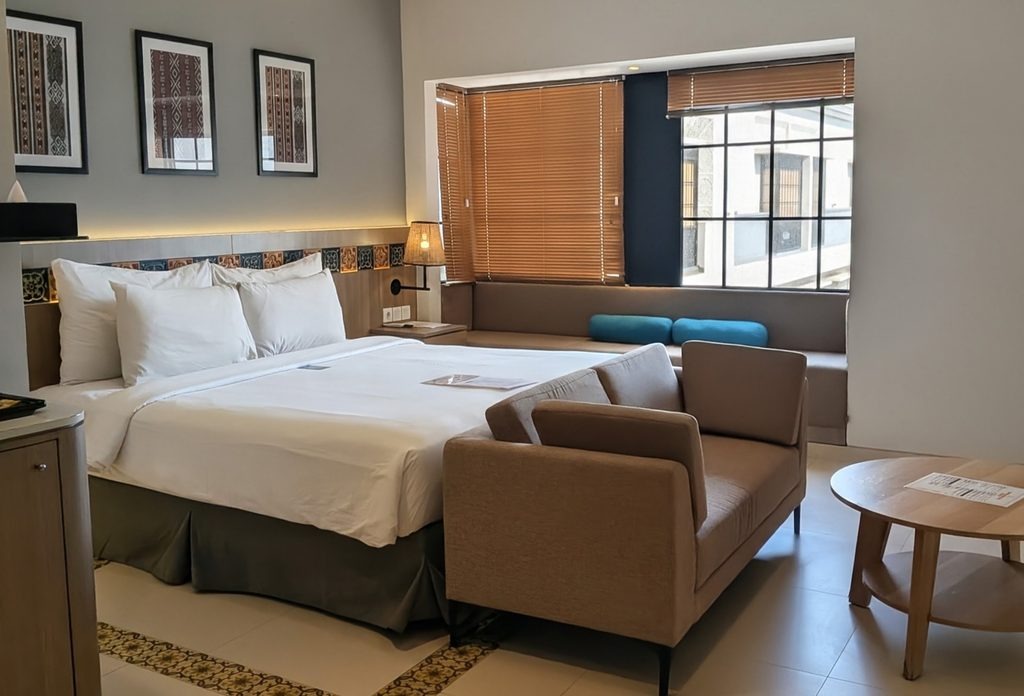
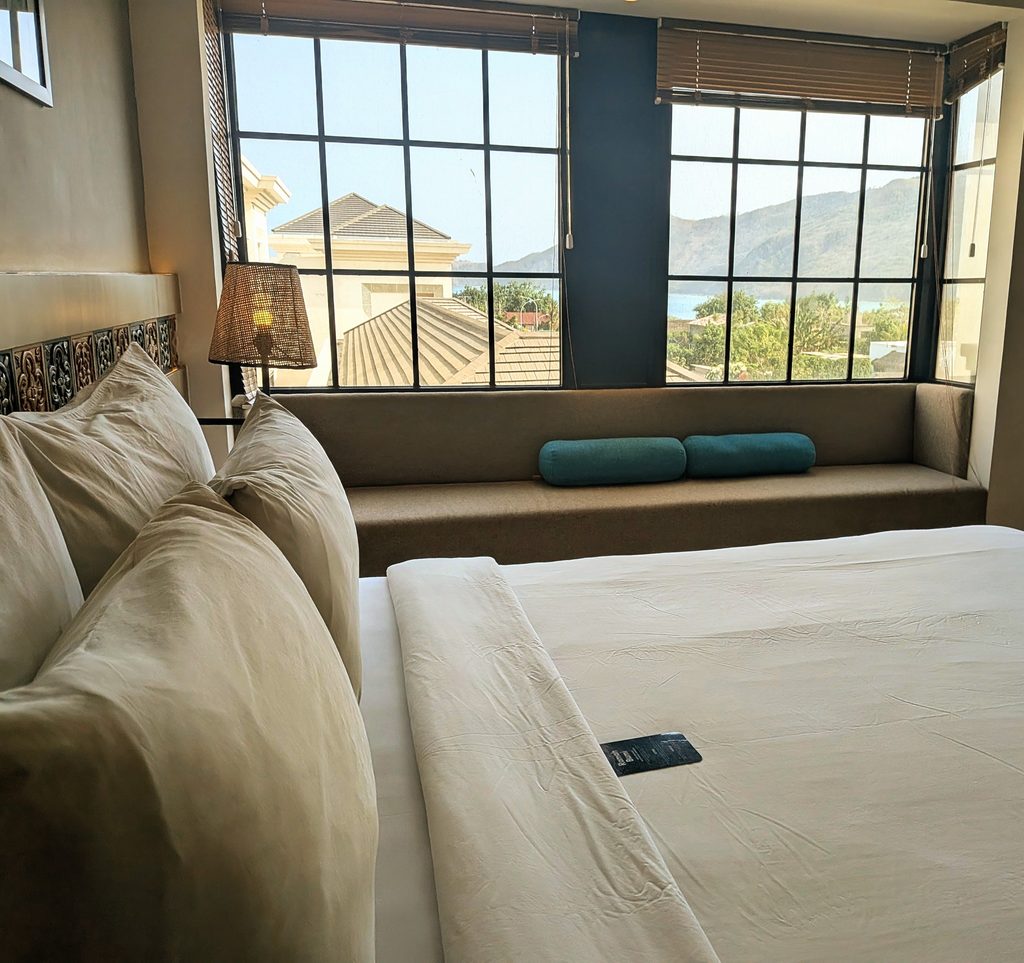
Compared with my room in Senggigi, this room was positively palatial (and at US$52 or EUR 45/night it cost 3 times more per night) Now this is the type of place that I imagine travel influencers stay in and post about on YouTube – a living room area, plenty of space to spread out, and a great view of the ocean from the window. I planned to do 2 days of diving so all this space would be useful to organize my gear.
But there was an interesting tradeoff. In spite of all that space, there was no desk.
For me, a desk is not a luxury. It’s part of how I use a room. Most mornings, I like to make a cup of coffee, open my laptop and work on the New York Times crossword puzzle, check the news and catch up on email for a couple of hours before even thinking about breakfast.
And there was another tradeoff: no balcony. Given the choice between a huge room and a smaller room with a balcony, I would have taken the balcony for the chance to be outside. I don’t necessarily need a lot of indoor space. What I really value is having somewhere to enjoy the breeze, drink my coffee and look at the world.
Oh, and with the diving I was about to do, where would I hang my wetsuit and other gear to dry without a balcony or outdoor area?
For the way I actually live, I think I’m learning that a desk and a balcony is worth more than extra floor space.
My First Night: Suddenly, I’m Paranoid About My Food
With gelato and specialty coffee shops, smoothie bowls, Mediterranean inspired restaurants, shisha hookah bars and yoga studios, I can see Kuta was set up for the Western visitors who come to surf its famous reefs. However, no more surfing for me (read about my attempt).
I appreciate a nice coffee shop to relax but I tend to seek out local food and this continued to be true in Kuta my first night as I found my way to a sate stall to have some grilled chicken with a spicy peanut sauce and then later spied a rujak vendor sold freshly sliced fruit mixed together in a spicy sweet and sour tamarind sauce. And I love rujak!
But then, I had second thoughts.
You see, I had arrived in Kuta planning five dives over the next two days. Two dives somewhere east of Kuta in the Alas Strait that separates Lombok from Sumbawa, the island to the east, followed by three “wild” dives ithe next day in Blongas. Both dive sites would take over an hour by car to get to and be a full day outing.
And that changed everything.
Up to now, I’ve been happily eating street food without too much thought as to the preparation standards. My rule had been: if it looked good and lots of people were sitting down, I would eat it. And luckily I haven’t gotten sick.
Now, with five dives ahead of me, I started questioning things I normally wouldn’t have given a second thought.
After dinner, I’m back in my hotel room laying my gear out for the next day and now my thoughts turn to: What was I thinking? How long had the raw chicken been sitting out before it was grilled? Was the meat properly cooked? And what about the water used to wash things?
Rujak suddenly presented its own set of questions. How had the fruit been washed? Was the seller wearing plastic gloves when he was chopping up my fruit. How long had everything been sitting out?
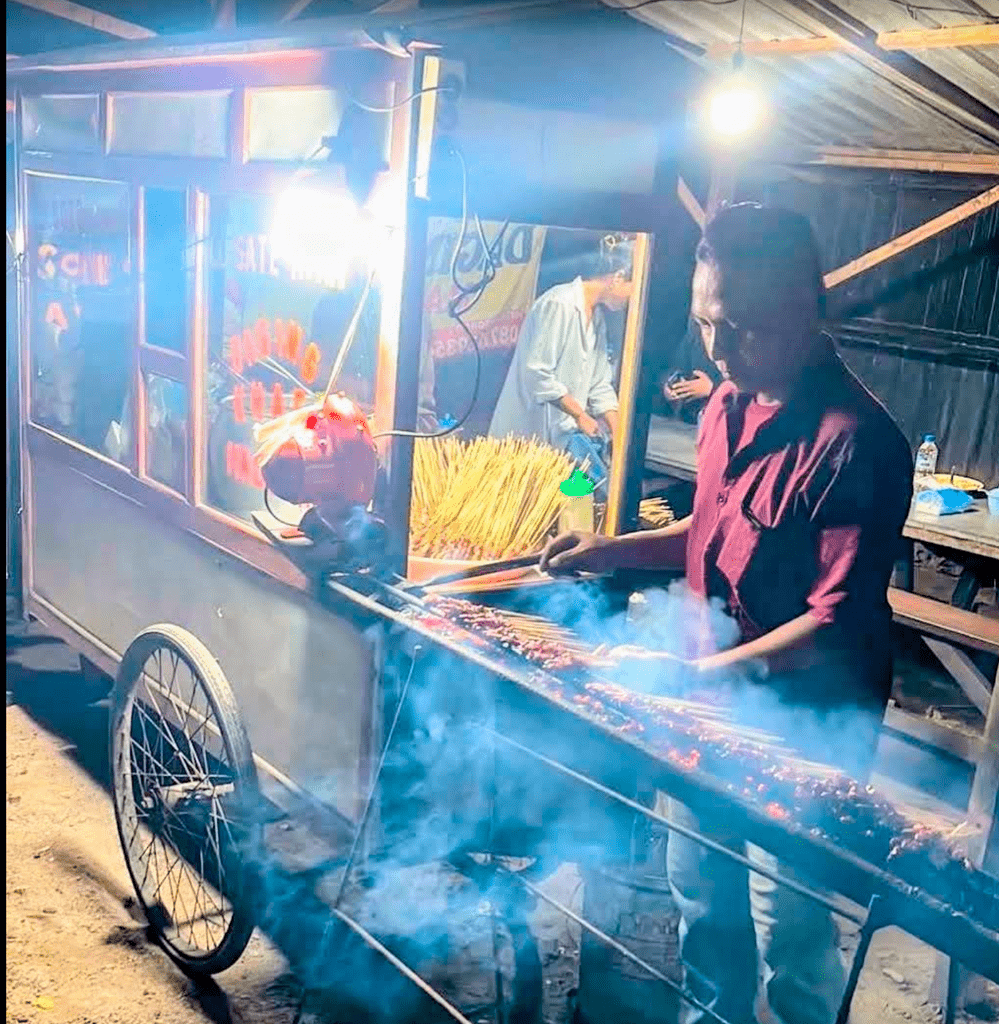
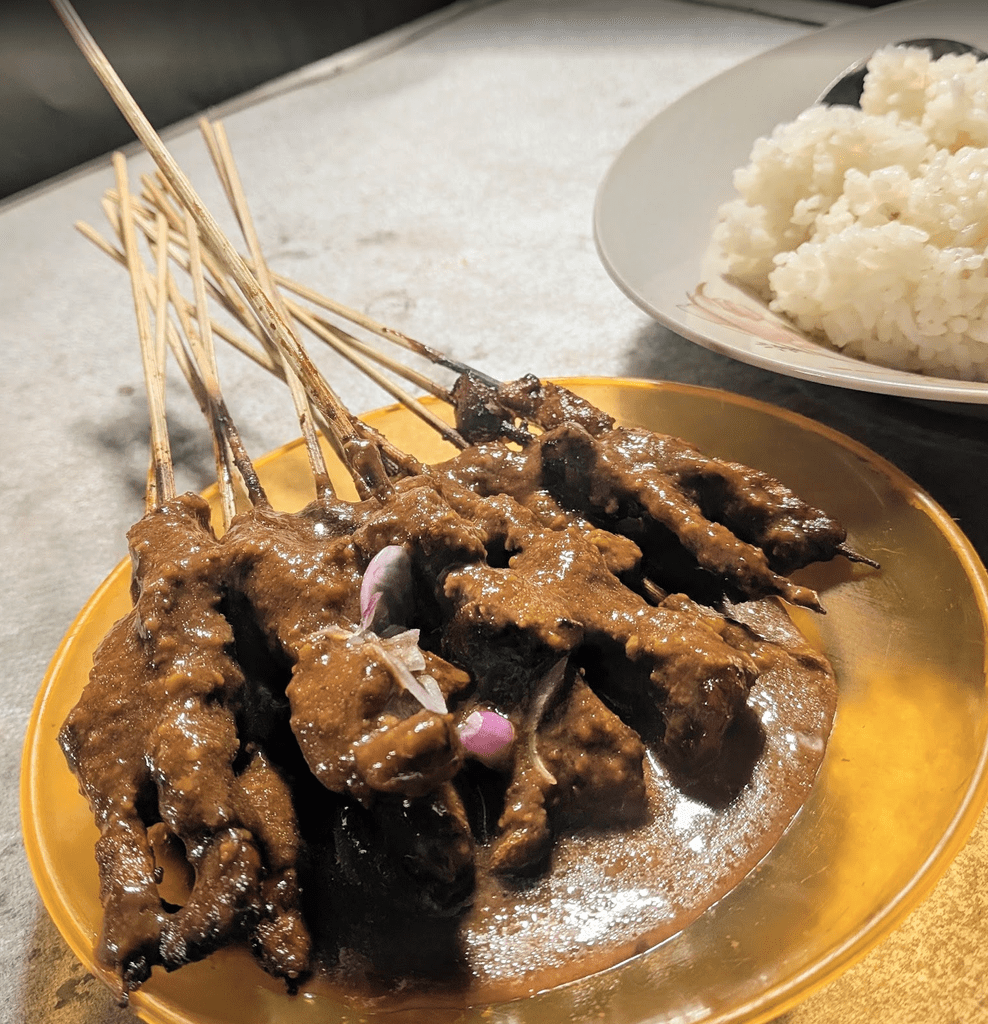
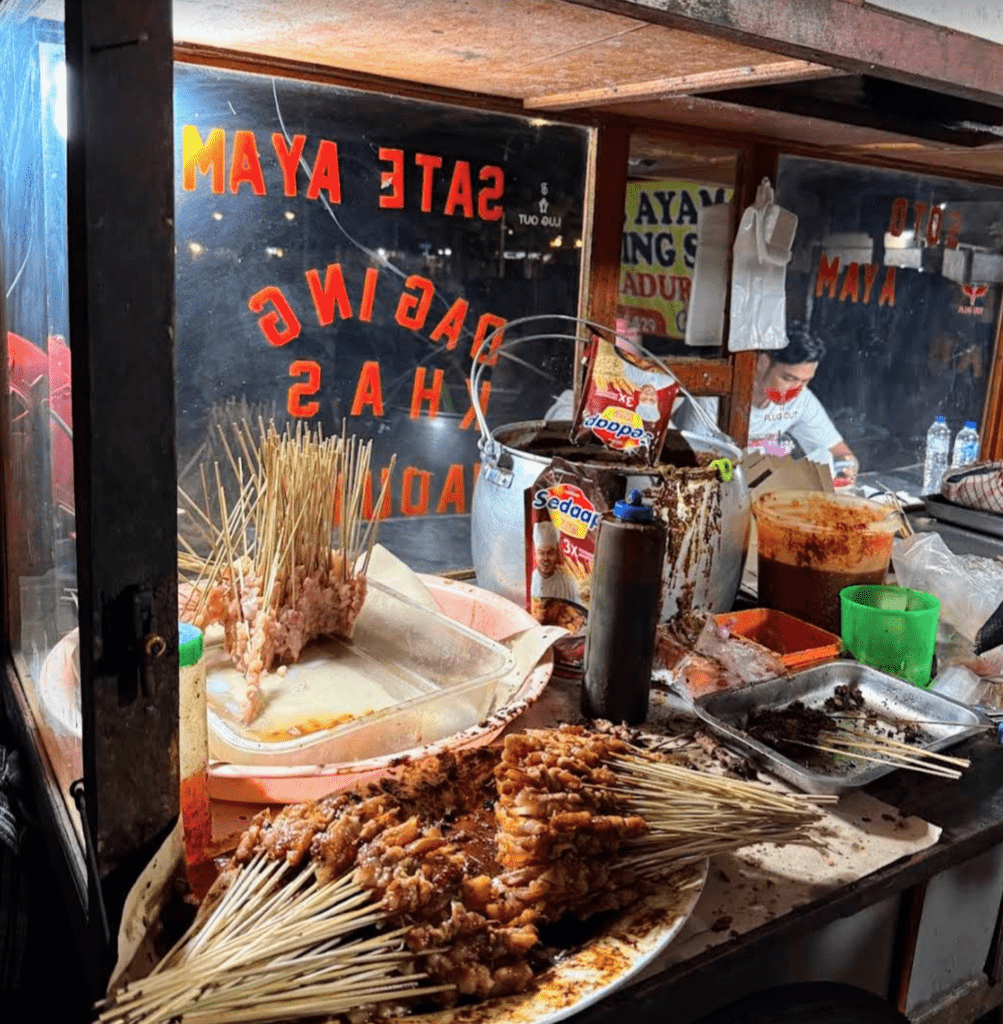
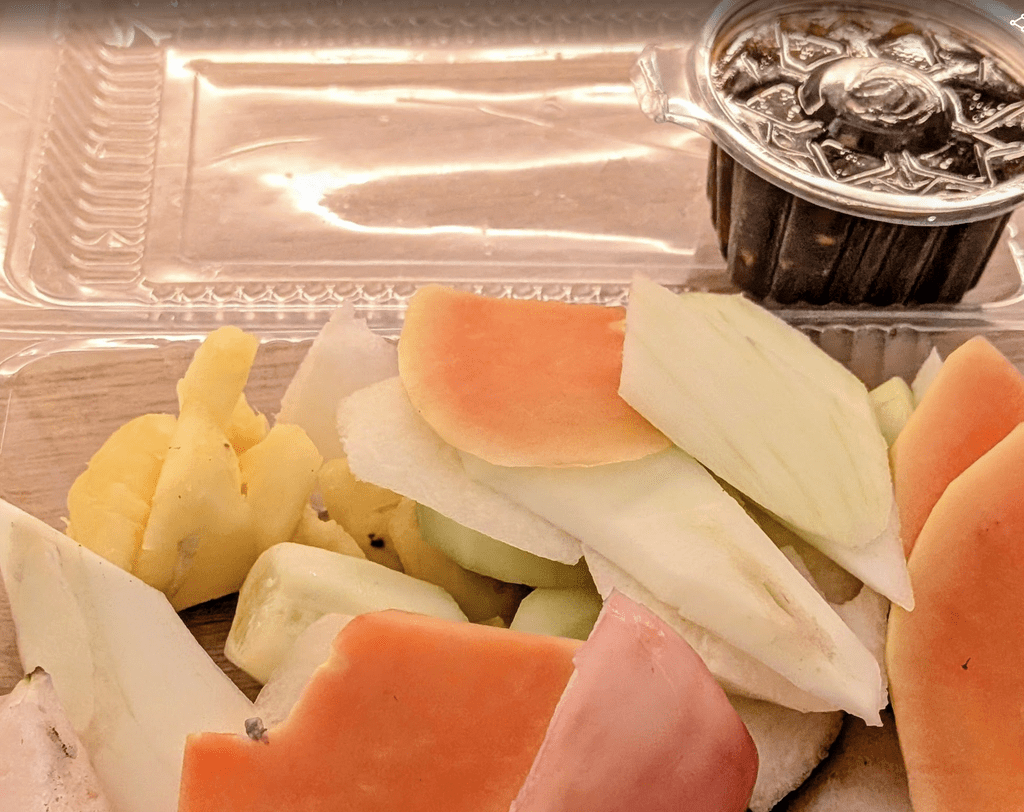
None of these questions had occurred to me during all the months I’ve been happily eating my way around Indonesia.
But knowing I would be spending several hours underwater over the next two days, the prospect of discovering my dinner had given me a stomach problem (aka ‘Bali Belly’) was considerably less appealing.
That is not normally how I travel. I don’t want to eliminate every source of uncertainty from the experience. If I did, I’d probably end up eating nothing but food from air-conditioned Western restaurants, which defeats the point.
Tomorrow I would be a diver so tonight, apparently, I was a food safety inspector. 😏
Am I wrong to be paranoid? Join me in my next post to see if my stomach survived to dive the Alas Strait and explore “wild diving” in Blongas.
Stay In Touch
I’d be honored if you want to keep in touch. This website and blog series are a work in progress and shared with family and friends only. Subscribe here so you don’t miss another post.
Love,
Mimi & Jingles