Kuching, Malaysia: An Extended Stay
After six weeks in Indonesia, it’s time to move on to a different country: Malaysia.

I’d been to Malaysia twice in the previous 12 months, spending time in Penang and Kuala Lumpur, and had come to really like the country. The more time I spent there, the more I started wondering whether Malaysia might eventually be a place where I could spend several months at a time.
Malaysia has a lot going for it as a long-term travel destination. Even though it’s a majority-Muslim country like Indonesia there’s an interesting mix of Malay, Chinese and Indian cultures, along with the food that comes with it. English is widely spoken because of its past British colonial rule, and getting around is relatively easy.
Living costs are higher than in Indonesia, but still reasonable by U.S. or European standards. Plus it’s safe, has good infrastructure and high quality, inexpensive healthcare has made Malaysia a medical tourism destination.
Thinking About Malaysia’s Residence Visa
You may be wondering how a U.S. citizen visits these countries and gets permission to stay. So far, I’ve been traveling on tourist visas to stay a fixed number of days. I had a 90 day visitor visa for Japan, a 60 day visa for Indnesia and 90 days for Malaysia. To stay longer, I’d have to get residency or leave the country and reapply for a visa. I From my previous Malaysia visits, I’d gotten interested enough in Malaysia to investigate their long-term residency program called Malaysia My Second Home (MM2H). And then I decided against it.
The MM2H program requires a US$150,000 bank deposit (which you get back if you terminate your residency) plus a minimum property purchase of US$150,000. The dealbreaker? You have to hold the property for ten years. I’m interested in spending more time in Malaysia but I’m not interested in making a 10 year commitment to a property.
While researching MM2H, I discovered Sarawak-Malaysia My Second Home, or S-MM2H. Interestingly, because Sarawak negotiated special immigration powers as a condition of joining Malaysia, it sets its own entry rules including a different MM2H program. It’s almost as if a U.S. state decided to have their own immigration rules in spite of it being part of the U.S. Even Malaysian citizens who are not residents of Sarawak have to pass through immigration when entering Sarawak and have to get permission to work there.
While the Sarawak program has a similar bank deposit requirement, it doesn’t have a property purchase requirement. The only other requirement is to spend 30 days in Sarawak each year. Otherwise, you can live anywhere in Malaysia, rent or buy property, open a bank account, etc. That got my attention.
If I were going to investigate whether Malaysia might eventually become a place to get residency, I figured I should actually visit Sarawak. Which brought me to Kuching located in the Malaysian state of Sarawak on the island of Borneo.
Where Exactly Is Borneo?
Before I get too far into Kuching, a little geography and history might be in order as I only knew Borneo as the land of tribal headhunters, National Geographic specials, a season of the TV series Survivor and Anthony Bourdain’s culinary explorations.
After Greenland and New Guinea, Borneo is the third-largest island in the world. It’s divided among three countries: Indonesia, Malaysia and the Sultanate of Brunei.
Because the Dutch controlled most of the island’s interior and south, that area later became part of Indonesia and is now called Kalimantan. Sarawak and Sabah were British colonies and joined Malaya and Singapore to form Malaysia in 1963. Brunei became an independent nation in 1984.
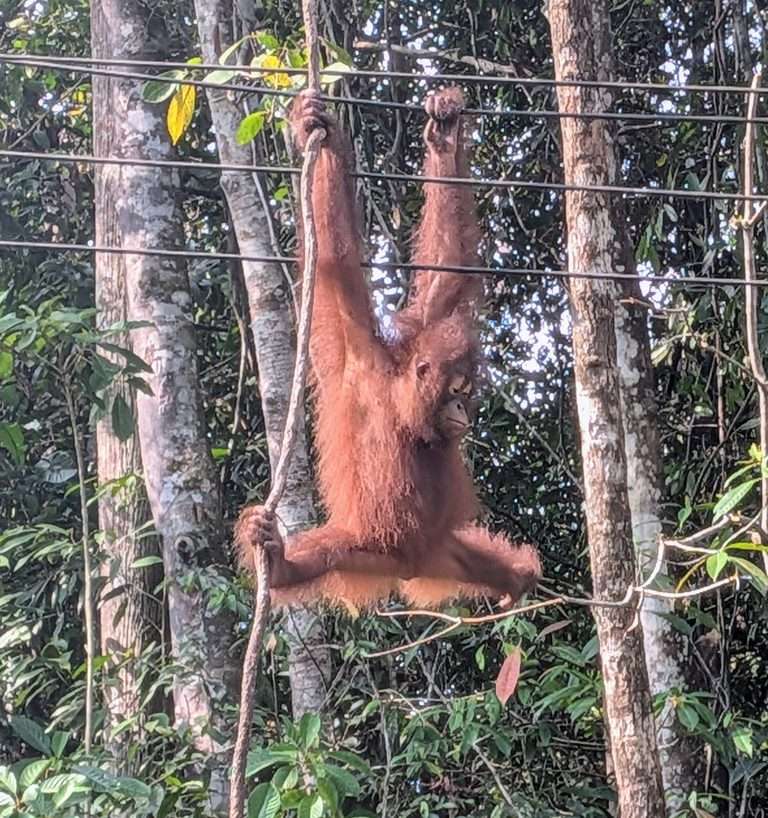
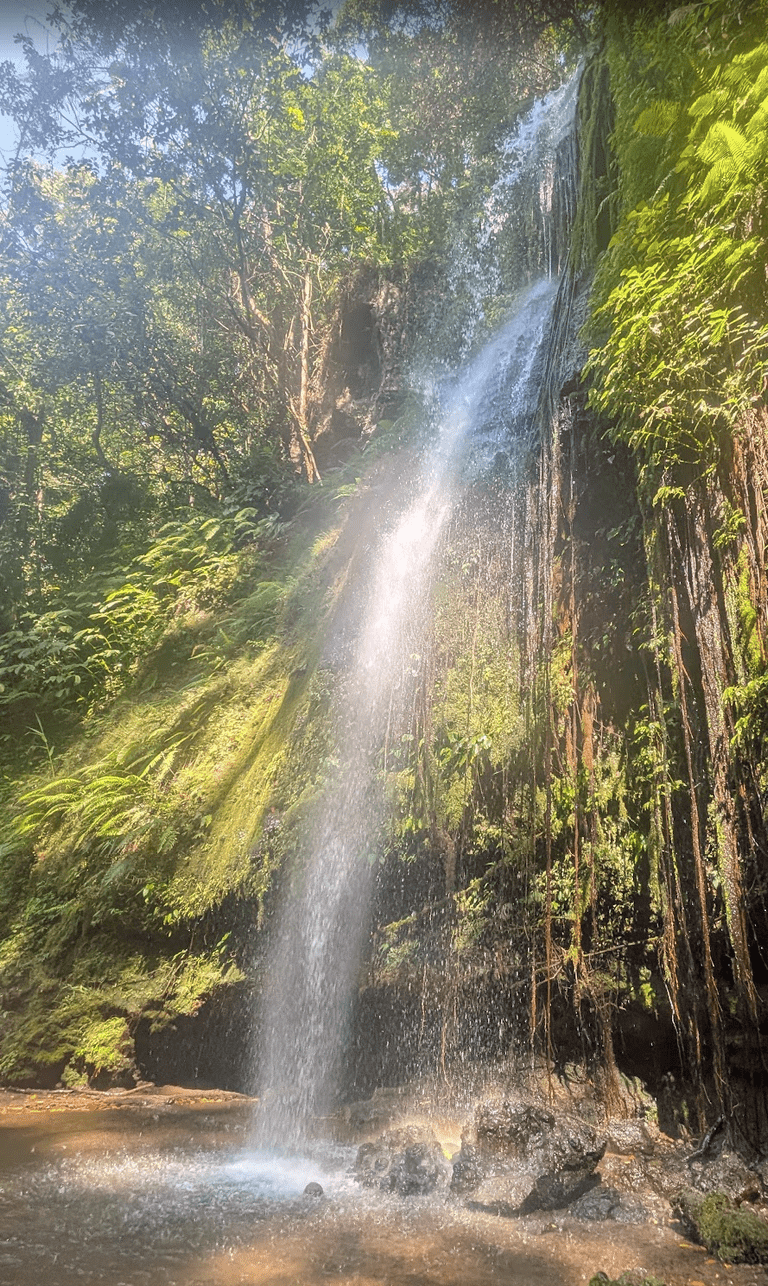
Borneo is famous for its biodiversity, including orangutans, proboscis monkeys, pygmy elephants and hornbills. Sadly, just like much of its rainforest and wildlife have been threatened by industry, agriculture and palm oil plantations. Within an hour’s drive of Kuching, there’s an orangatun reserve as well as a national park so I’m hoping to be able to get out of the city to see some of these animals during my stay.
Welcome to Kuching
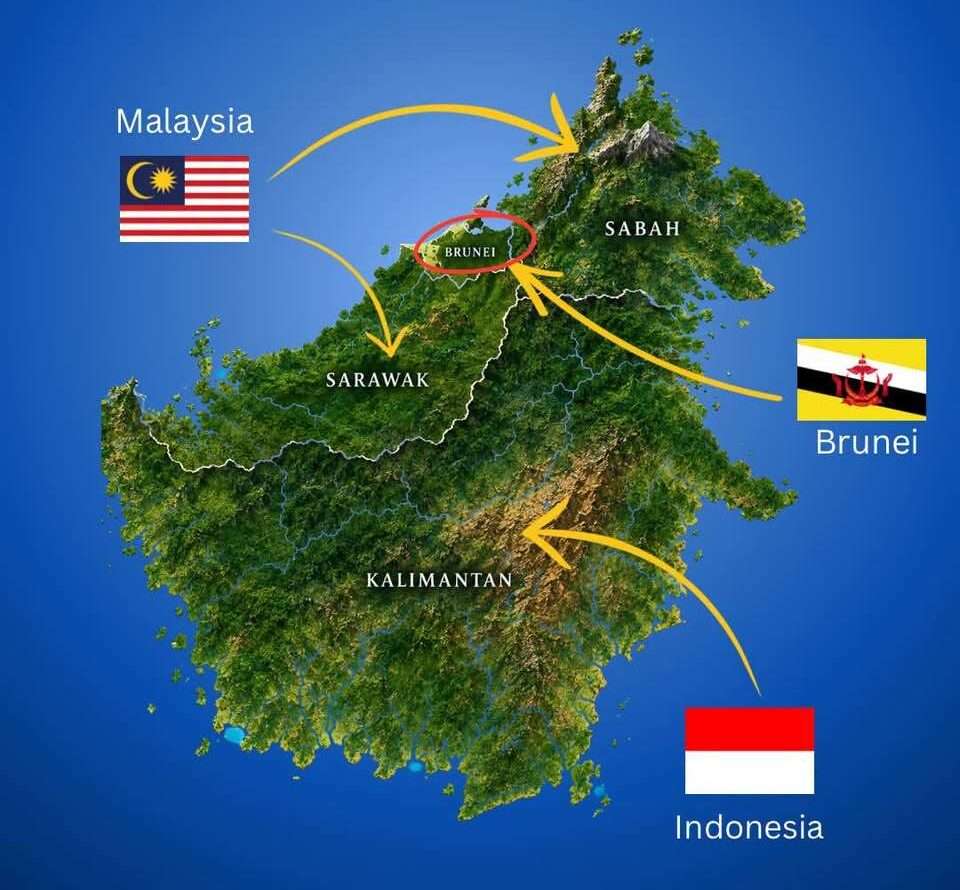
While the states of Sarawak and Sabah make up about 60% of Malaysia’s land area, only 20ish% of Malaysia’s population lives in these 2 states.
Kuching, with a population of about 500,000, is the capital of Sarawak, Malaysia’s largest state. Incidentally, in addition to having a separate immigration control system, Sarawak is unique in that it is the only majority Christian state in Malaysia.
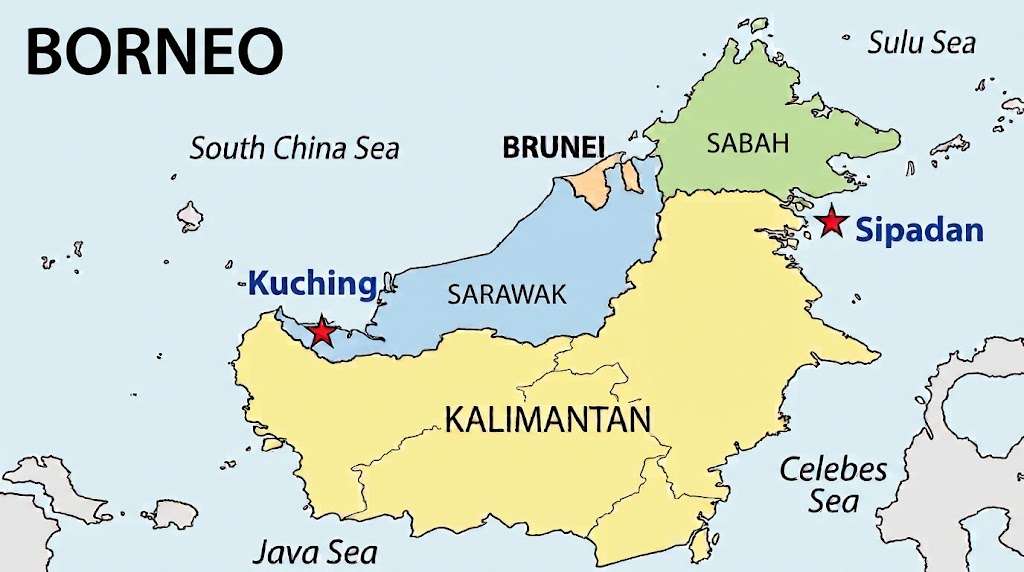
There’s another reason I’m particularly excited to travel to Kuching: Sipadan.
I’ve wanted to dive the protected marine reserve of Sipadan for years but whenever I looked at it, it seemed impossible to reach. Sipadan and its surrounding islands are famous for its massive schools of fish (like the school of barracuda from my Blongas dive), pristine reefs and underwater walls that drop thousands of feet. From Kuching, Sipadan is still challenging to get to (see map) but it’s 2 short flights within Borneo, an hour land journey and another hour by boat but you can get there in one day compared to getting there from other places.
I’ve been lurking for months on Facebook on the Expats in Kuching group and made contact with a couple of Americans who had decided to get an S-MM2H residence visa and hoped to meet them in person. A month long stay in Kuching would allow me to see what life in Sarawak was like and I’d add a bucket list dive trip to Sipadan at the end.

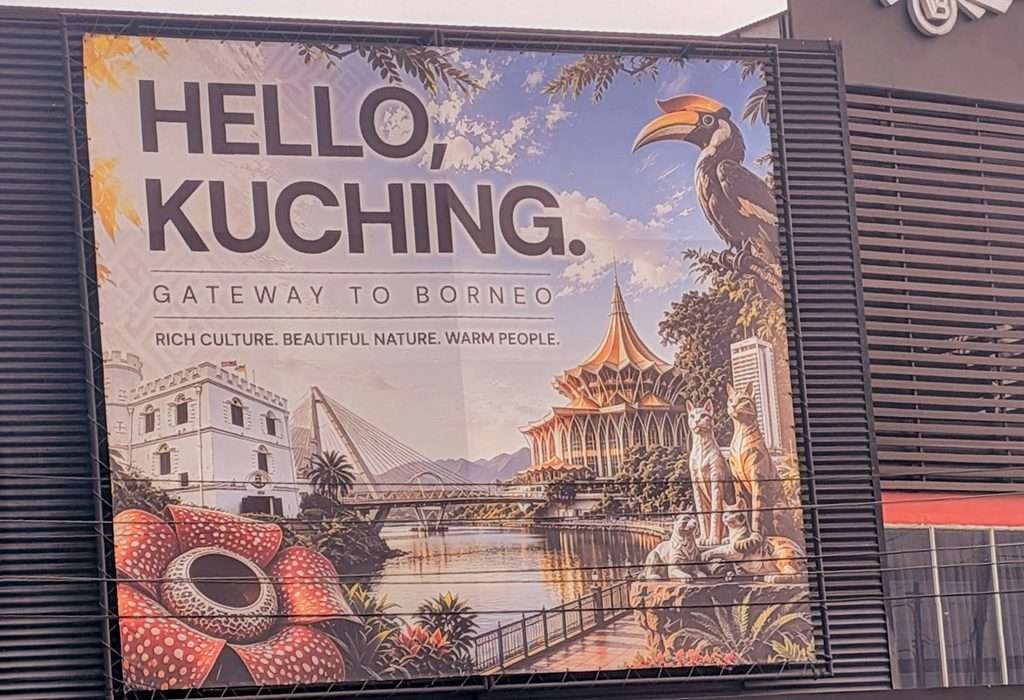
Planning A Month Long Stay in Kuching
I’m not coming to Kuching to spend a few days seeing the top sites but rather, a full month, so planning where to stay becomes more focused around the day to day conveniences.
- Is the area walkable? How will I get around?
- Where can I swim?
- Is there a place to play pickleball?
- Where’s the nearest grocery store?
- Are there coffee shops nearby?
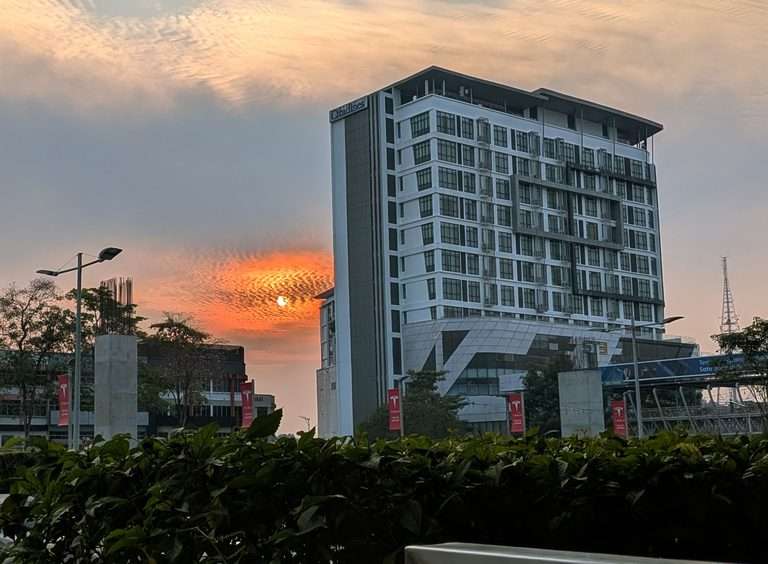
I’m breaking up my stay into 3 different areas of the city over the course of the month to get a feel of the city. One across the street from a large shopping mall, one located on the banks of the Sarawak River and the third in a more commercial area.
All of them meet my criteria for walkability, accommodation with a kitchen, a separate bedroom, washing machine and access to a swimming pool. in the building. I’ll cover my accommodation as well as a breakdown of my costs in a future Kuching post.
Kuching, A UNESCO Creative City of Gastronomy
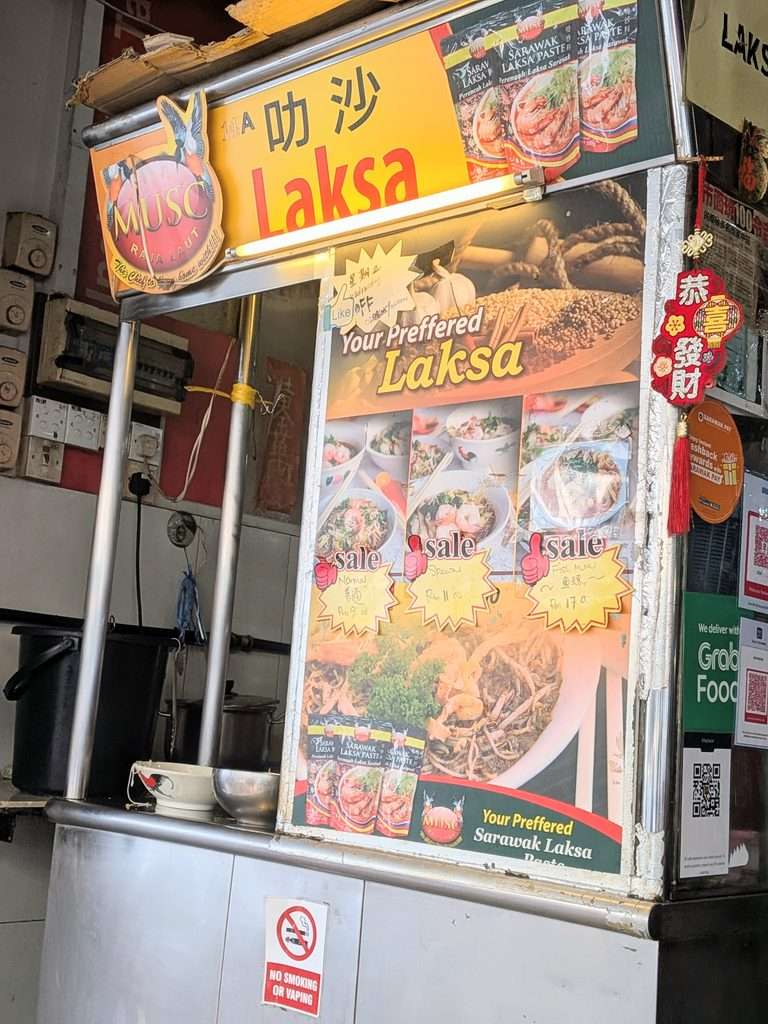
Food is one of the things that make me happy to be in Malaysia and Kuching is no exception. Kuching’s culinary traditions make it Malaysia’s only UNESCO recognized “City of Gastronomy” which says a lot given how great the food is all over Malaysia.
Outdoor food centres and kopitiams are part of my daily life and they are everywhere, which was perfect for me.
A food centre is a collection of open air food stalls under one roof with each vendor specializing in a particular dish or type of food. Everything is cooked to order and quickly served up. You walk around, find a food stall, order, find a table and the food comes and you eat.
Kopitiams – from the Hokkein Chinese words kopi (coffee) and tiam (shop) are traditional Malaysian and Singaporean coffee shops. It’s a very social thing where people congregate starting from the early morning hours having coffee, tea and local food.
And then there’s the food of Sarawak’s 30+ Indigenous groups each with their own culinary traditions. I want to try some of this food while I’m here, especially jungle vegetables, herbs and other local flavors that are quite different from the Chinese and Malay food I’ve been eating.
I’m going to be enjoying having a whole new set of dishes to work my way through during my Kuching visit.



Settling In
I’ve discovered an active and welcoming social scene here. I’ve gone to a monthly lunch meet up through Facebook that an Australian woman, Kim, organized. It was fascinating to talk to the British school teacher who was employed at the Borneo International School who had previously taught in Cairo, Egypt, people who had married locals and made their home in Kuching, people like me visiting Kuching and also people who had gotten their Malaysia residency through the S-MM2H program.
Through the lunch came other contacts – Joyce who is from New Zealand and visits with her husband a couple of months each year is a born organizer and she’s been so wonderful in introducing me to other people that she’s met and inviting me to spontaneous dinners or just getting together for coffee.
I think that’s one of the things about tapping into an expat community – everyone’s been a stranger trying to adjust to a new place so people are particularly welcoming and inviting. The community is also exceptionally diverse here with people coming from “nearby” countries like Australia, New Zealand, Singapore and the Philippines as well as further afield like the U.S..
I’ve also found pickleball. (Sadly, padel has taken more of a foothold in Indonesia) An app allowed me to discover various groups that organize social play at 3 venues around the city so I’ve been playing about twice a week. Just like back home, pickleball is an inherently good way to meet other like minded people. All of the players speak English but I’ve also found that being able to speak Mandarin has been useful as so many players are of Chinese descent.
So far, being able to tap into various social groups has mattered more to me than having a long list of tourist attractions to visit. And as you know from my previous posts, with a swimming pool, coffee shop, local food and a comfy place to come back to, I’m pretty happy.
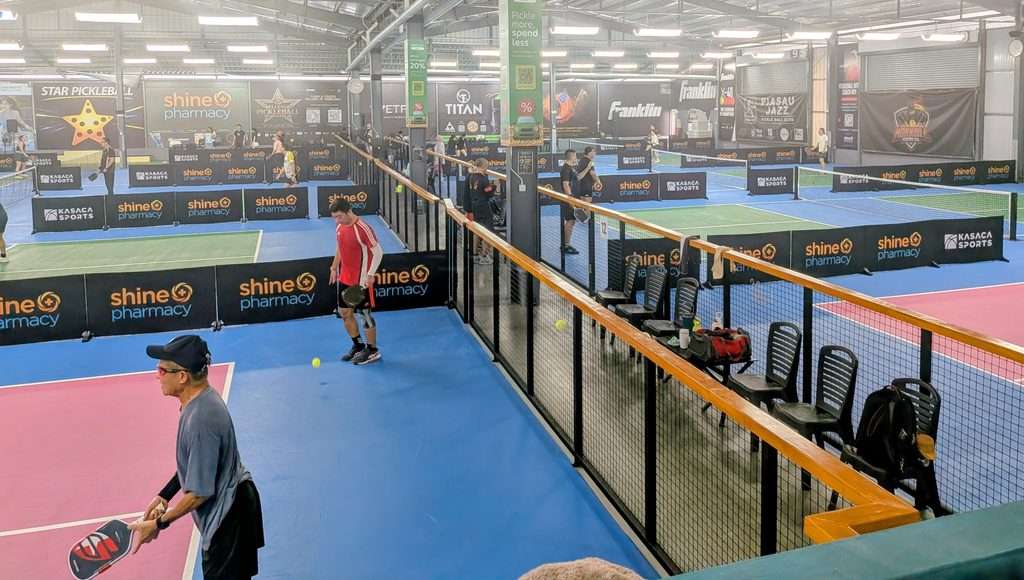
By the end of my first week, I was beginning to settle into exactly the kind of ordinary routine I had hoped to find in Kuching.
And then Kuching threw me a curveball I hadn’t planned for.
THE HAZE….
Stay tuned for my next post. Until then, take care.


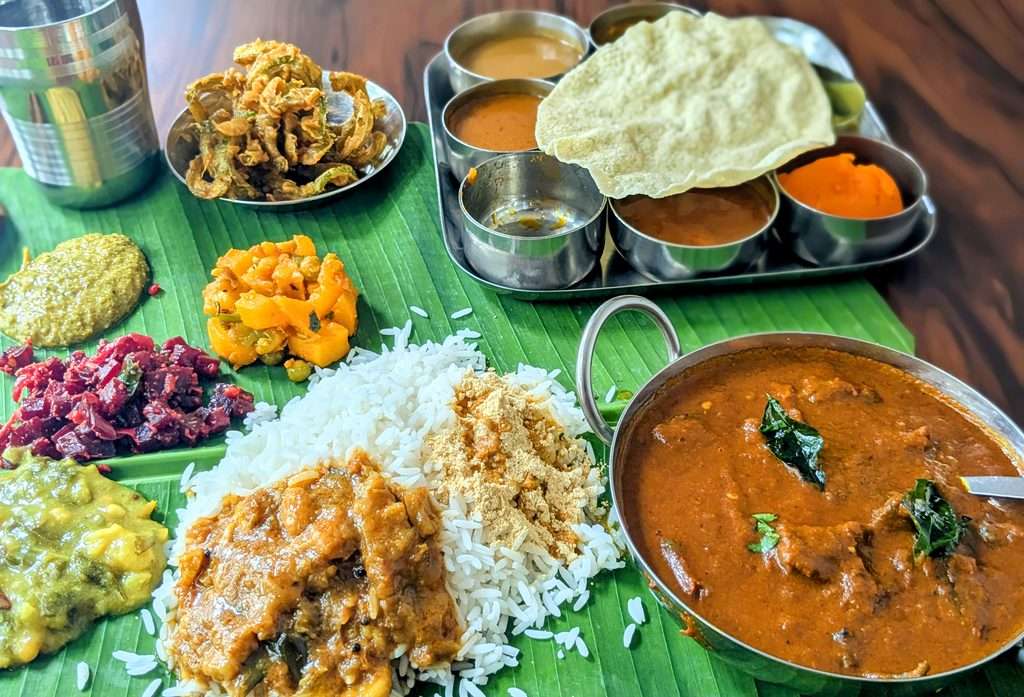
The banana leaf curry looks AMAZING! Enjoy your month in Kuching!
Lisa – it’s messy but so totally worth it!