Living on a Converted Oil Rig & Diving Sipadan, Malaysia
Sipadan and the surrounding area on the northeast tip of Borneo regularly show up in scuba diving publications as one of the “best diving destinations”.
25 years ago, I booked a week of diving there and then discovered I was pregnant with Kai. Fast forward to present, as I was already on Borneo I finally went to see if the reputation was deserved.
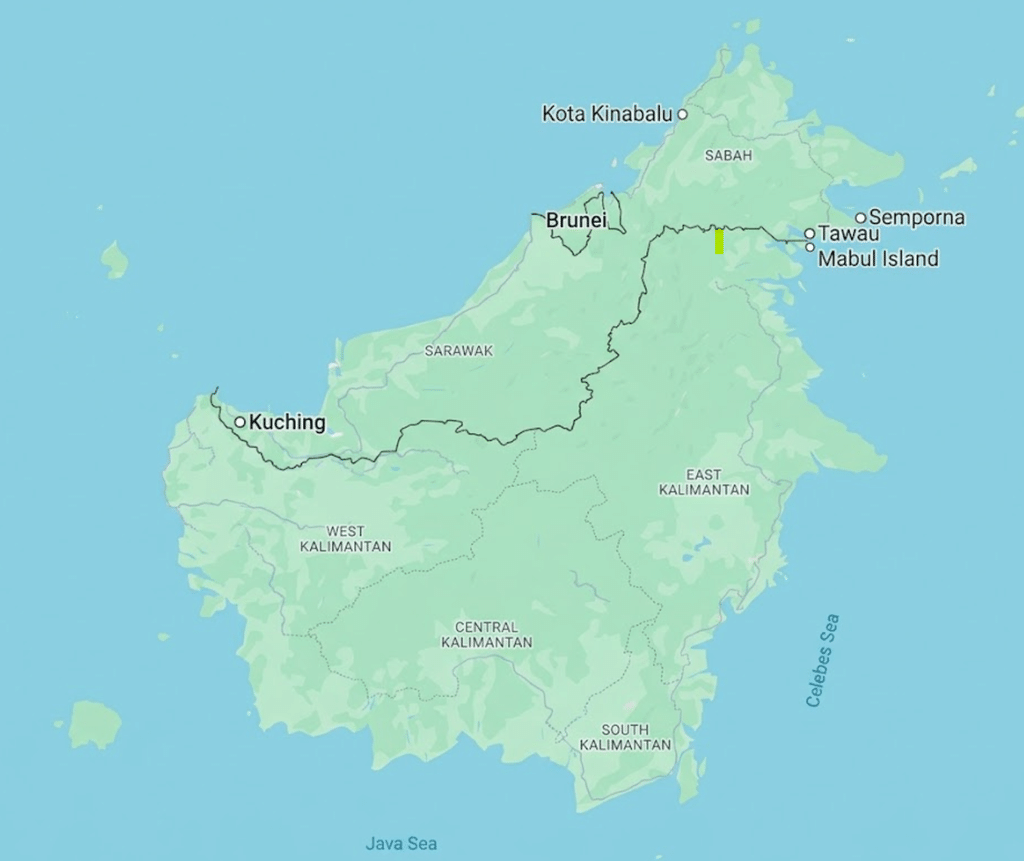
Even from Kuching on the southwest coast of Borneo, getting to Sipadan takes effort- flights from Kuching to Kota Kinabalu to Tawau, an overnight in Tawau, a 1 hour drive to Semporna the next morning and then an hour by boat.
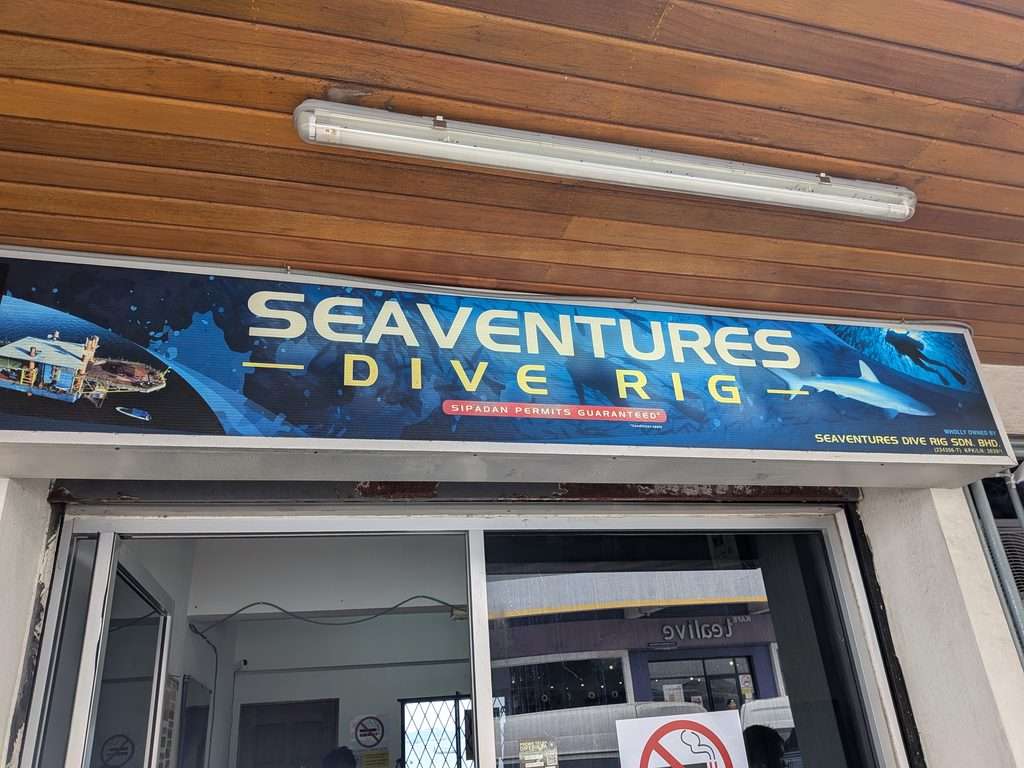
Seaventures Dive Rig
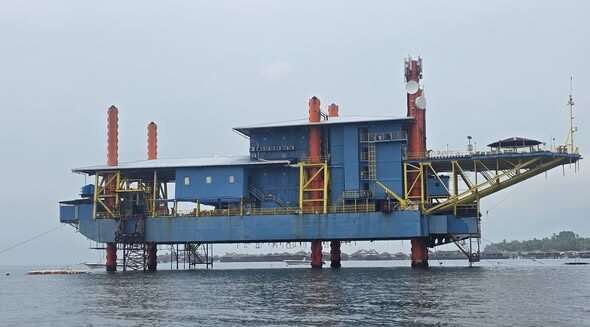
Divers stay on nearby Mabul or Kapalai islands. But there’s another option: a converted oil rig just off Mabul island.
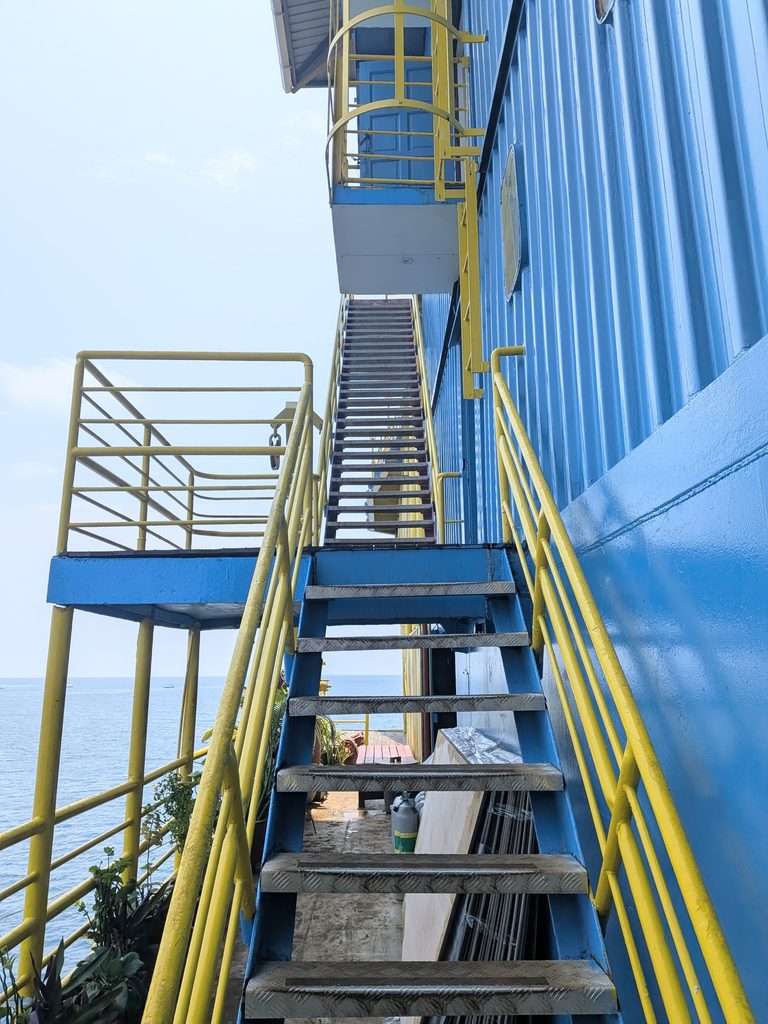
Seaventures Dive Rig was a former accomodation module for Petronas (Malaysian oil company) oil rig workers. It was towed to its current location and converted into a dive resort. It sounded a bit gimmicky but then I thought, “Why not? After all, how many people get to stay on a converted oil rig?”
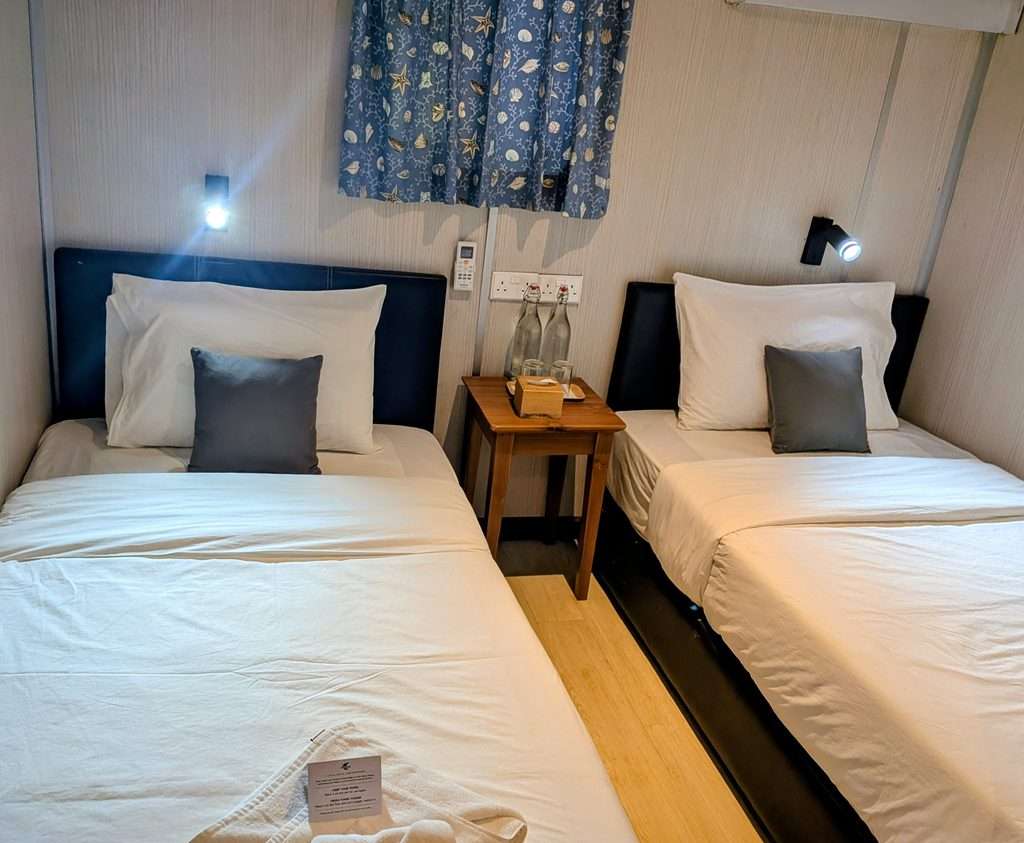
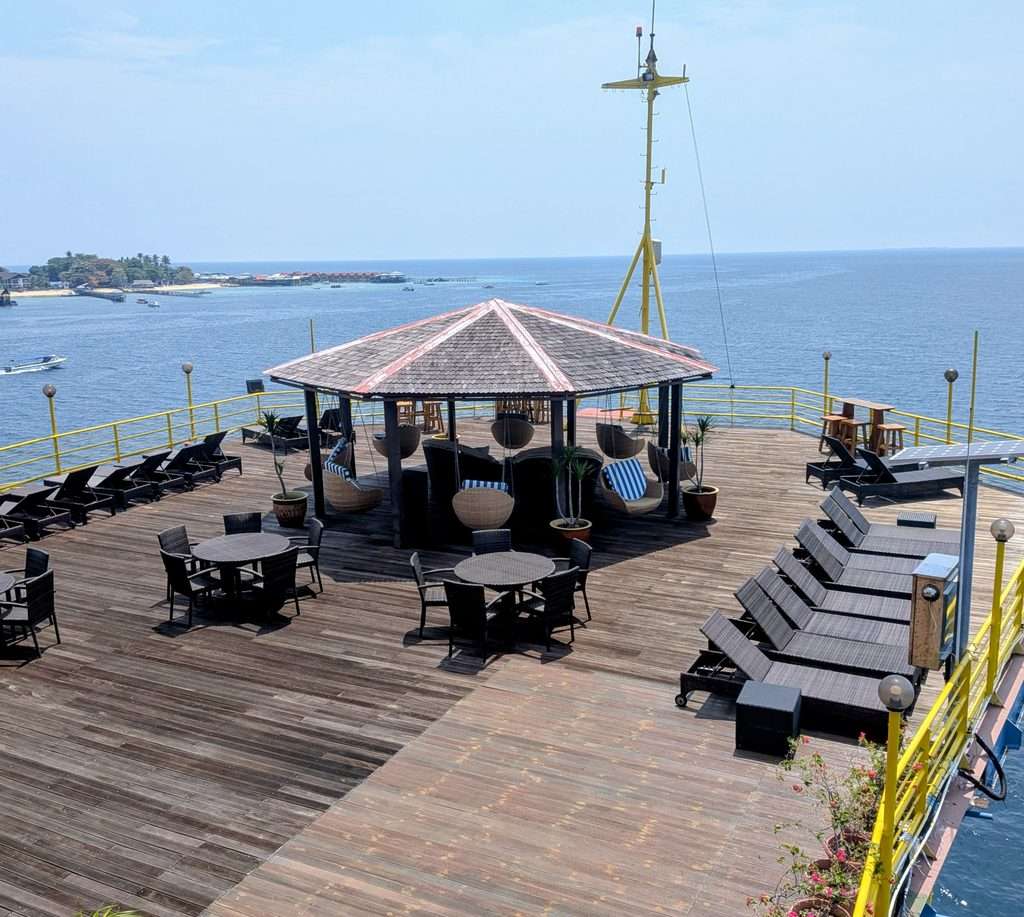
The rig was more spacious than I’d expected. There are 30 air conditioned rooms with private bathrooms, a dining room & bar, spacious dive facilities, and a large upper deck with lounge chairs and swings. A platform lift transports guests and equipment to the main deck.
Meals are buffet-style plus an afternoon tea with hot snacks. I’m not a picky eater, and I found the food plentiful and varied.
The accommodation itself was comfortable enough, but the real reason to stay here was the diving.
Sipadan: Walls, Fish and Turtles
Sipadan is why people dive here. Its coral fringed reef walls plunge 1200-1800 feet (300-600 meters) straight into the deep blue and it’s famous for its large schools of barracuda, bumphead wrasse, and abundant turtles.
The catch? Restricted access. Sipadan only offers about 200 daily permits and the entire area is closed the month of November. Not all dive operators have access to permits and in spite of staying a week, I was allocated only 2 dive days on Sipadan.
Did it live up to the hype? Mostly. Hovering along a wall that vanishes into nothing, with fish swirling past, feels like floating in midair.
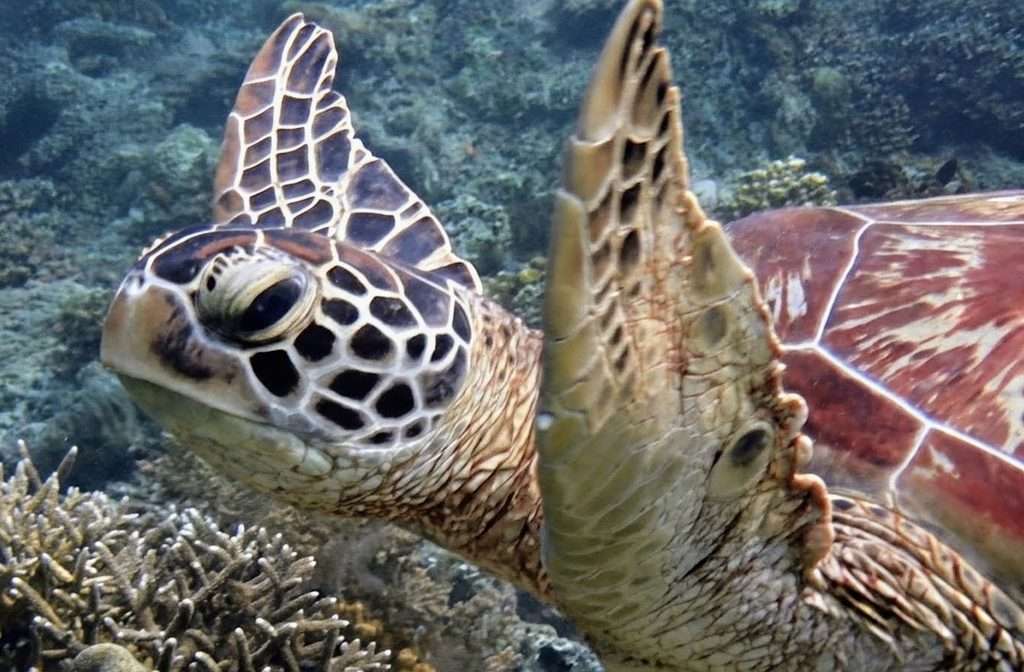
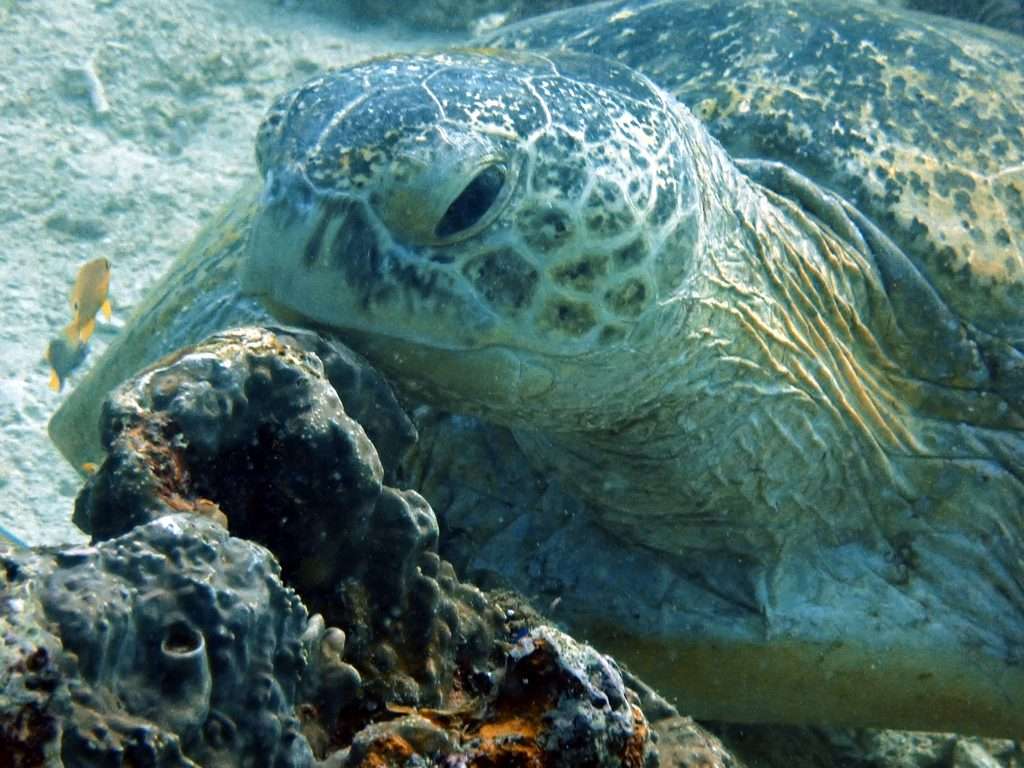
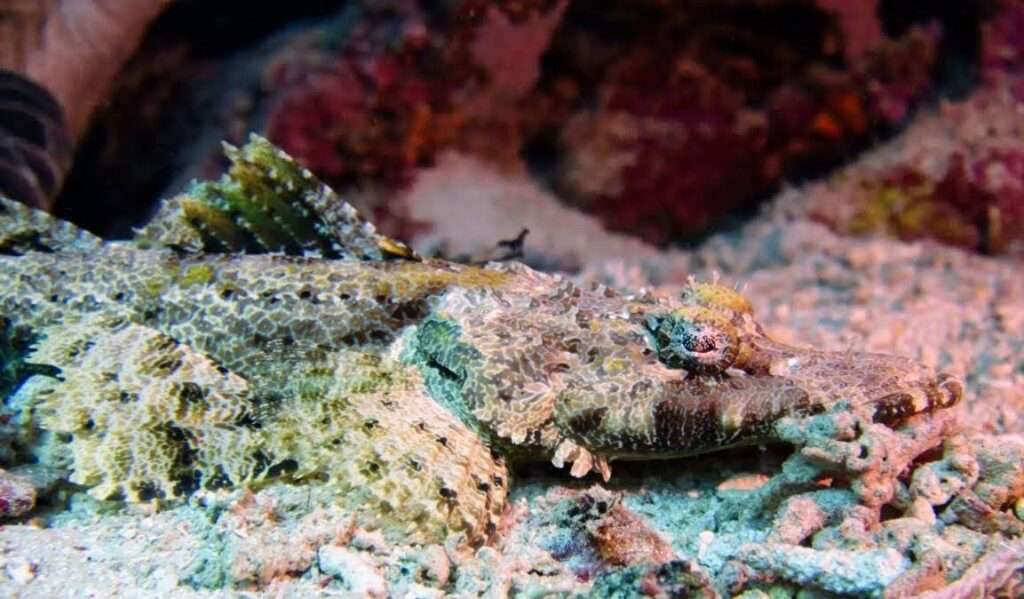
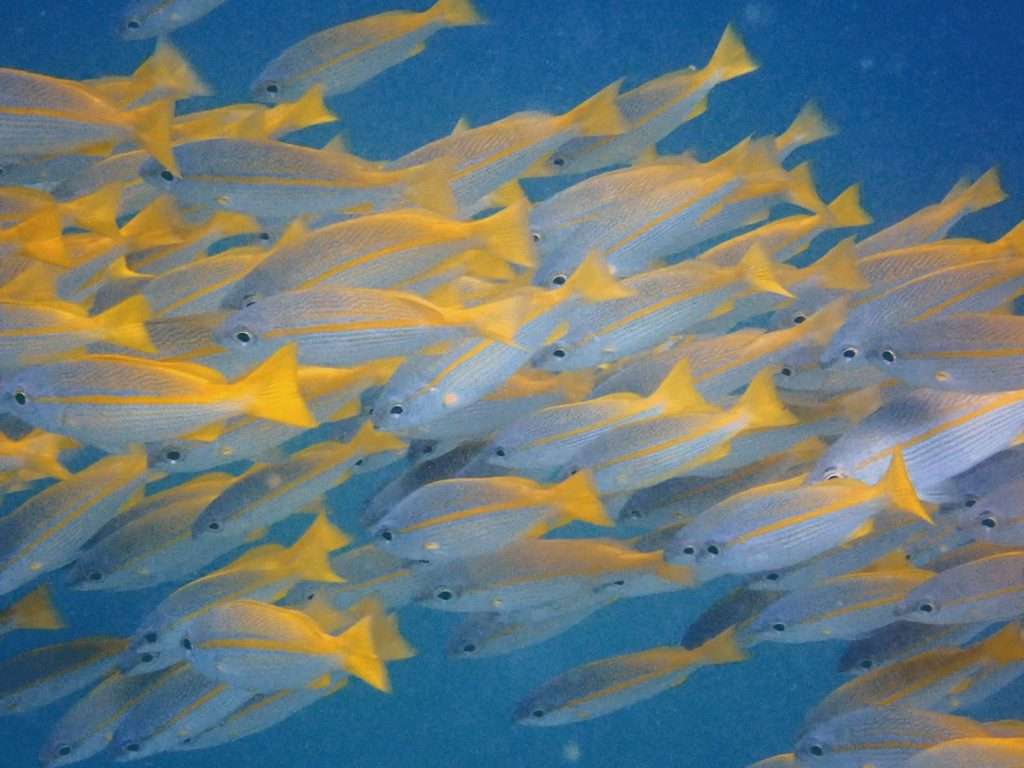
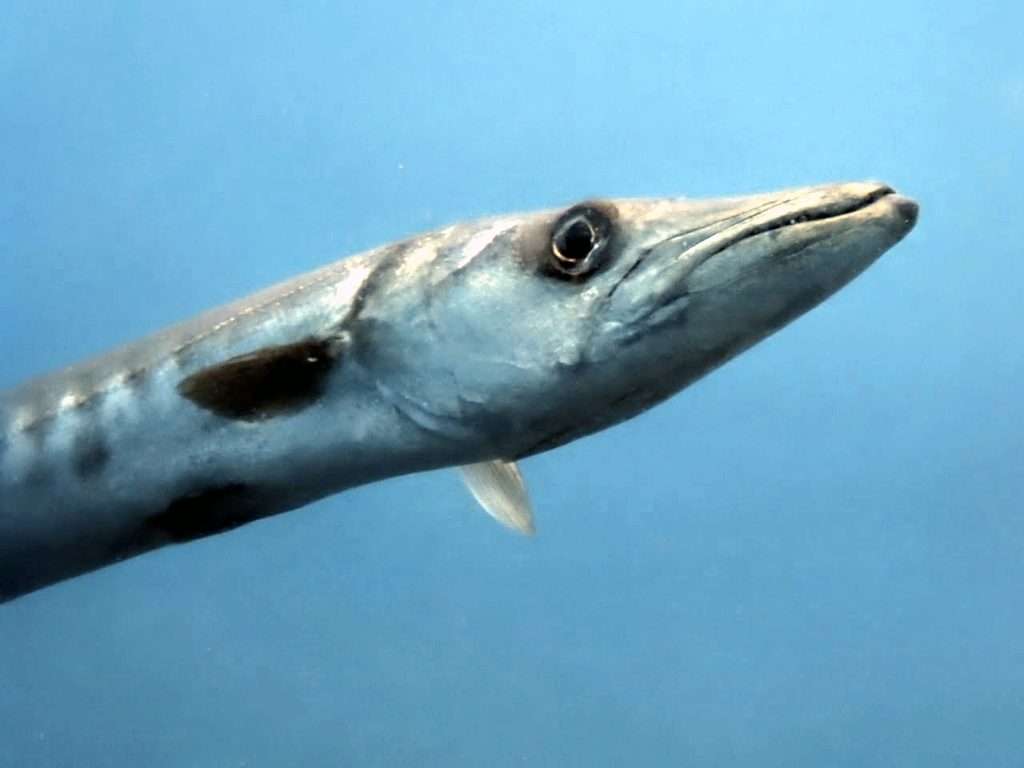
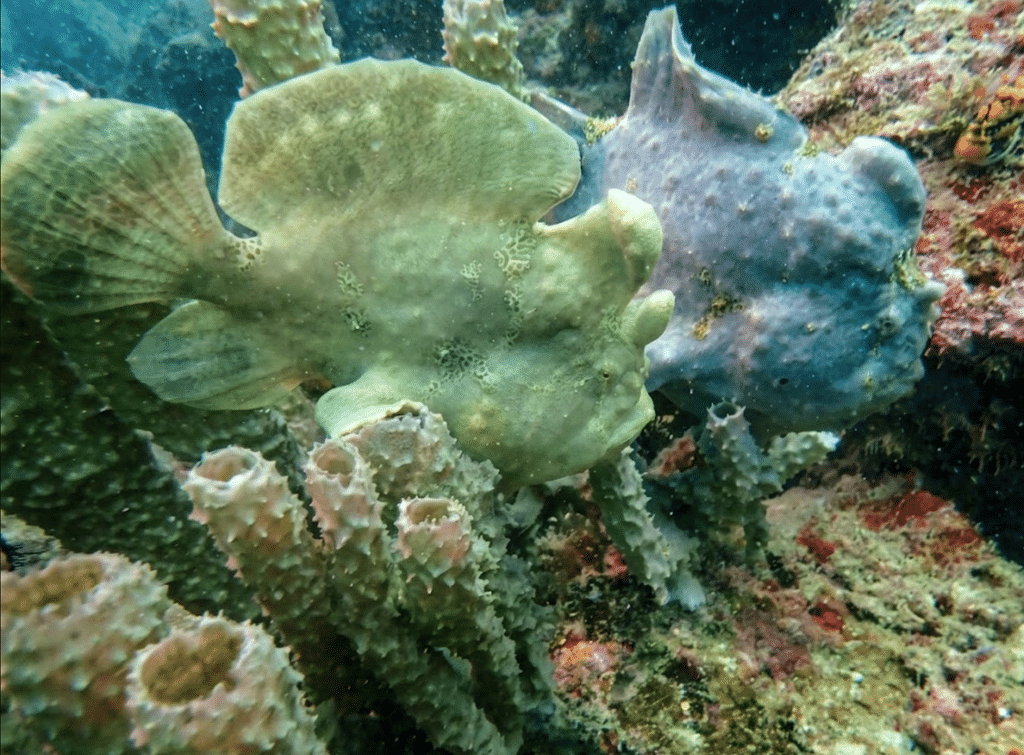
And the turtles were everywhere: sleeping in crevices, rising for air, grazing on sponges, scraping their shells on rocks. My amazement at getting close gave way to ignoring them while I was looking at something else. On one dive, I was so absorbed photographing a camouflaged crocodilefish that I missed the 4 foot / 1.2 meter turtle sleeping directly above it.
That is when you know you have seen a lot of turtles.
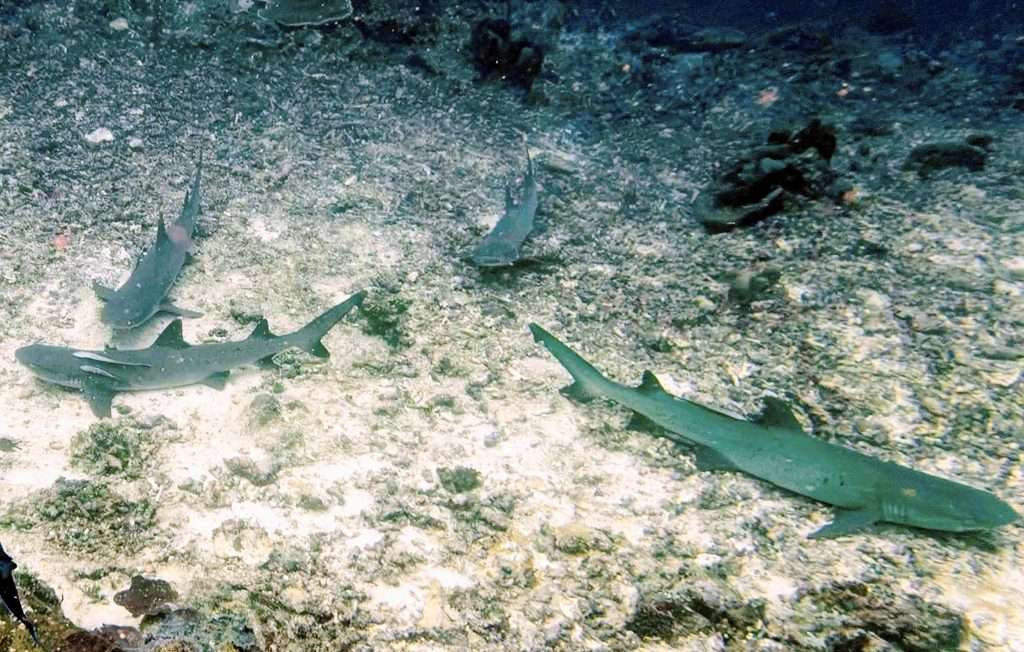
Mabul and Kapalai: Small Things Matter
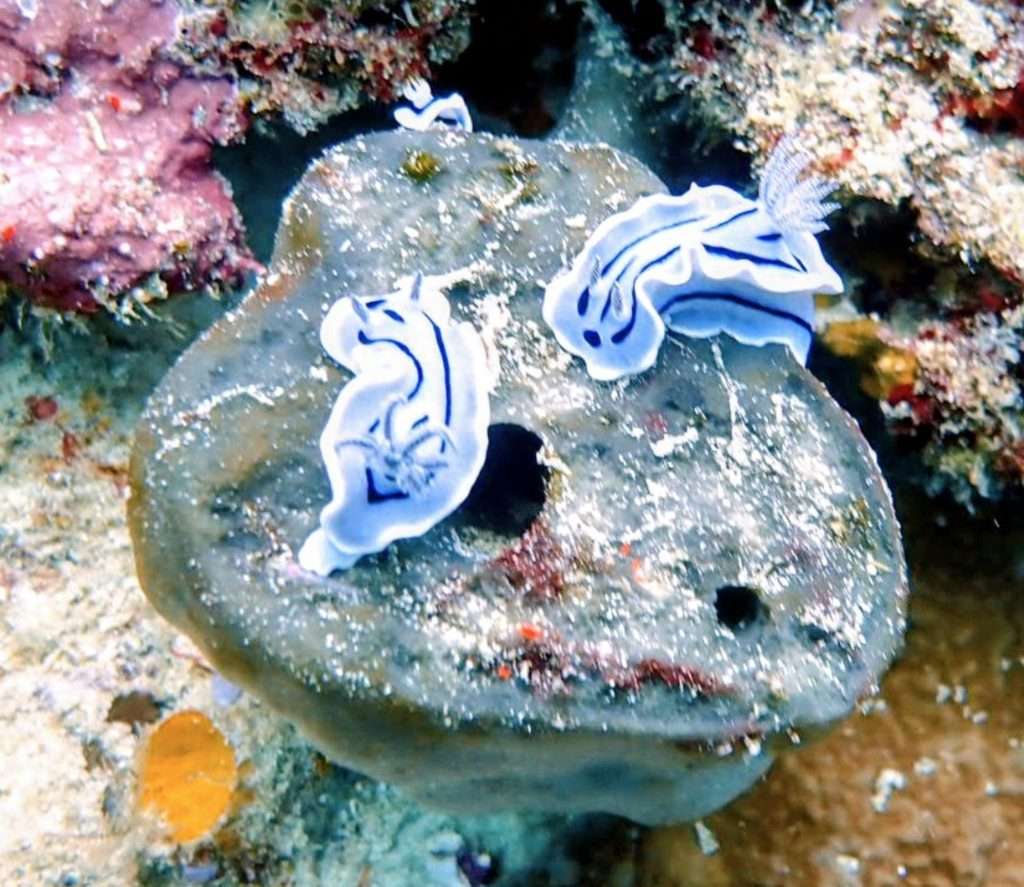
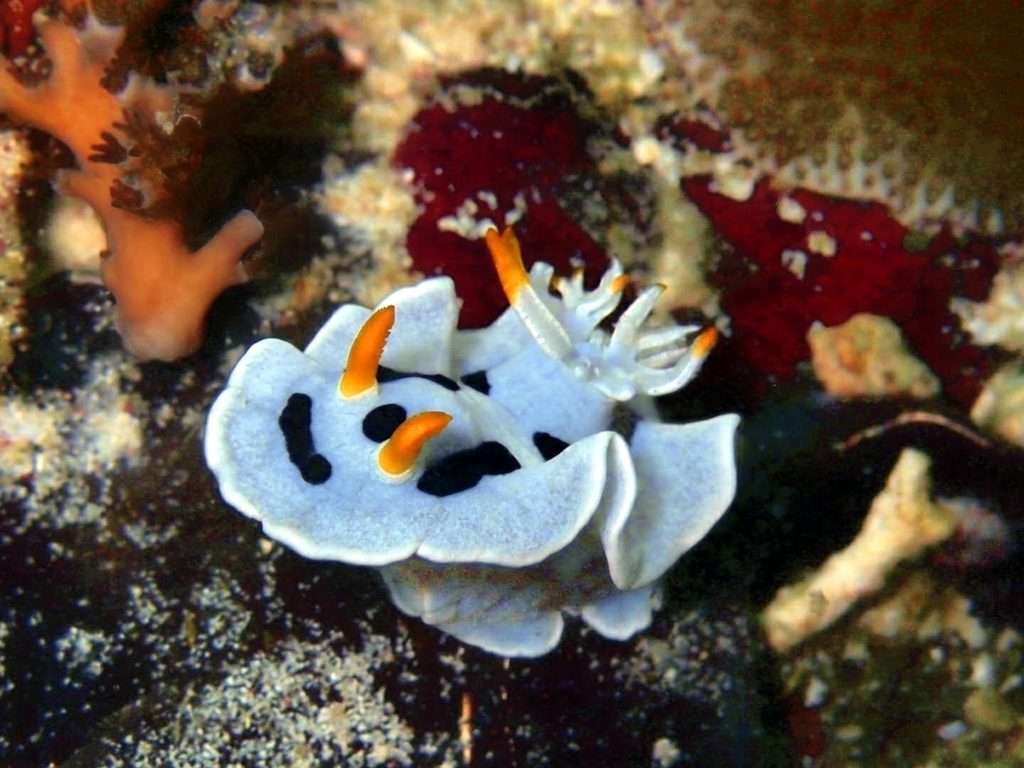
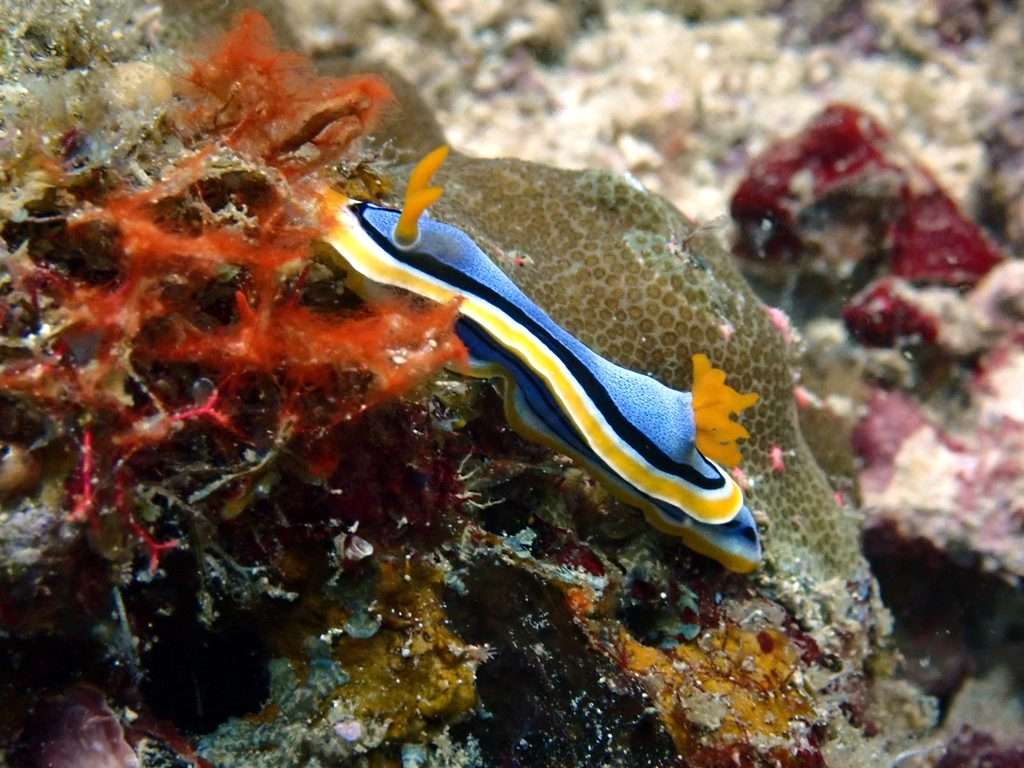
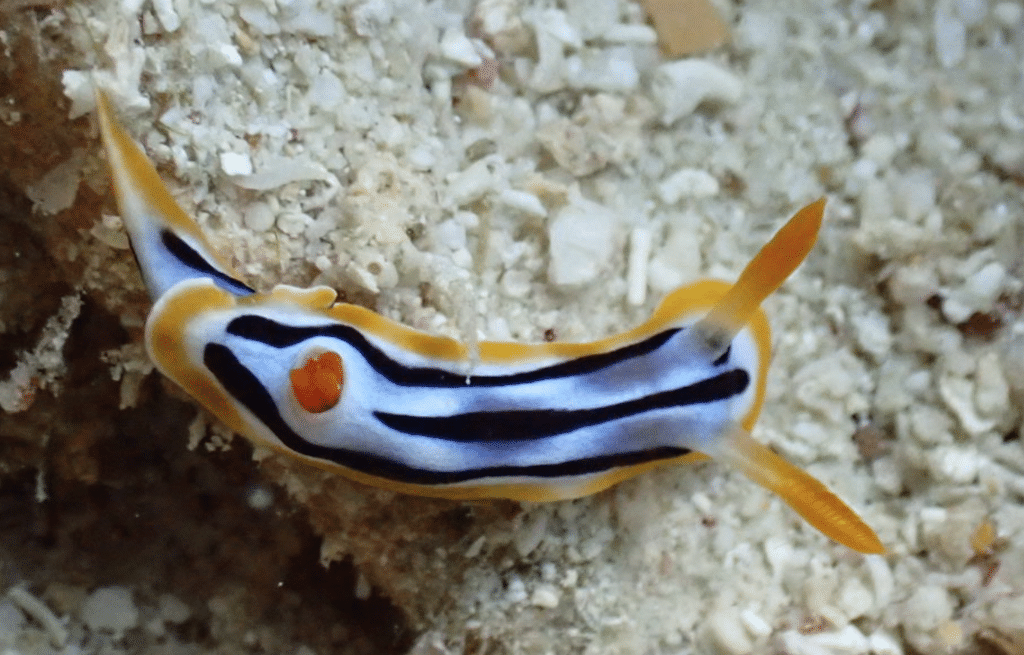
Mabul and Kapalai offer the opposite: slow, close up macro diving – it’s about looking closely at the reef for the small stuff. Tiny shrimp, pink pygmy seahorses the size of your fingernail hidden in pink branched coral that required the eagle eye of a guide, frogfish cleverly hidden on sponges, unusual crabs and my favorite, nudibranchs.
Nudibranchs are particularly fun to find. Some are only a few millimeters long, while others are several centimeters. Their bright colors and appendanges make them look surreal. Once you start looking for them, you realize just how much marine life is about the small stuff.
Around Nusa Lembongan and Nusa Penida, where I do most of my diving, the strong currents rarely allow this kind of hunting. I loved the pace here, and the small satisfaction of spotting a nudibranch everyone else had passed on the way to the “big stuff.”
The Grumbler
Our dive group was all experienced divers including a couple from New Jersey, Chris and Betty and 2 Americans who had just come off diving in the Maldives in the Indian Ocean.
Unfortunately, one of the group members was less than fun to be around. Regardless of the site, he would loudly complain that he hadn’t paid all that money to dive “crappy sites.”
He also objected to repeat dives, though conditions, tides and time of day change what you see. I have dived some Nusa Lembongan sites over 20 times and still find something new. When we scheduled an artificial reef, he objected that he had not paid to dive a fake one.
I’ll take a well grown artificial reef over a “natural” one that’s been damaged by storms, warm water and carless diver. While it’s not a replacement, the artifical reef often makes for interesting diving
Dive guides notice these things, and word travels fast through the crew. I suspect our guides saved their extra effort for happier guests.
Final Verdict
I’m glad I got to go and the trip delivered in terms of turtles, huge schools of fish at Sipadan and time with tiny creatures. But difficult logistics, permit limits, a week of diving that cost triple what many parts of Indonesia charge and one miserable dive buddy mean I probably won’t return.
Next up: I leave Borneo for Peninsular Malaysia with a short trip to Melaka and a slightly longer stay in Malaysia’s capital, Kuala Lumpur.
I hope you’ll keep following us on our adventures!
Love,
Jingles and Mimi