Malacca, Malaysia: Exploring a UNESCO World Heritage City
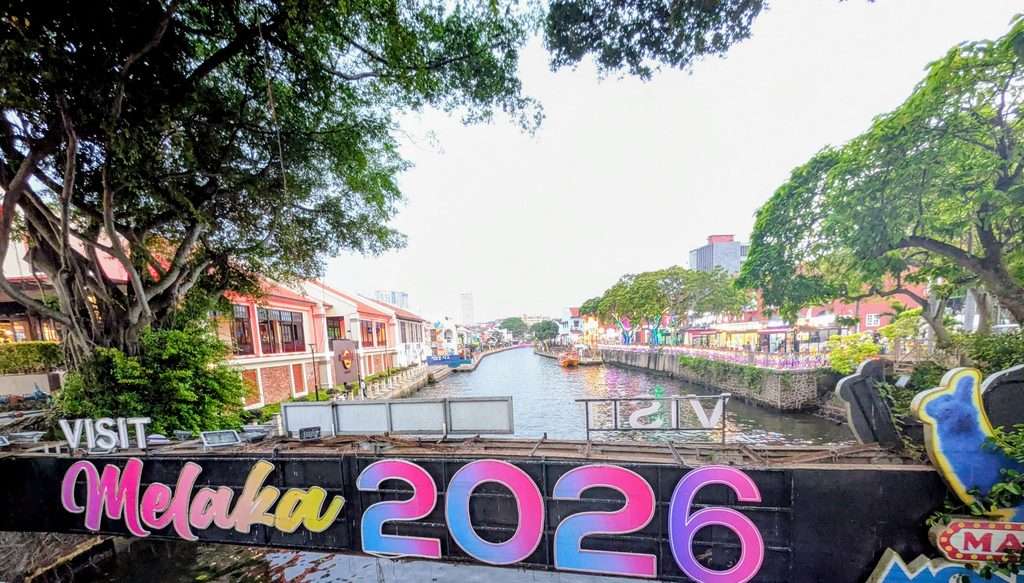
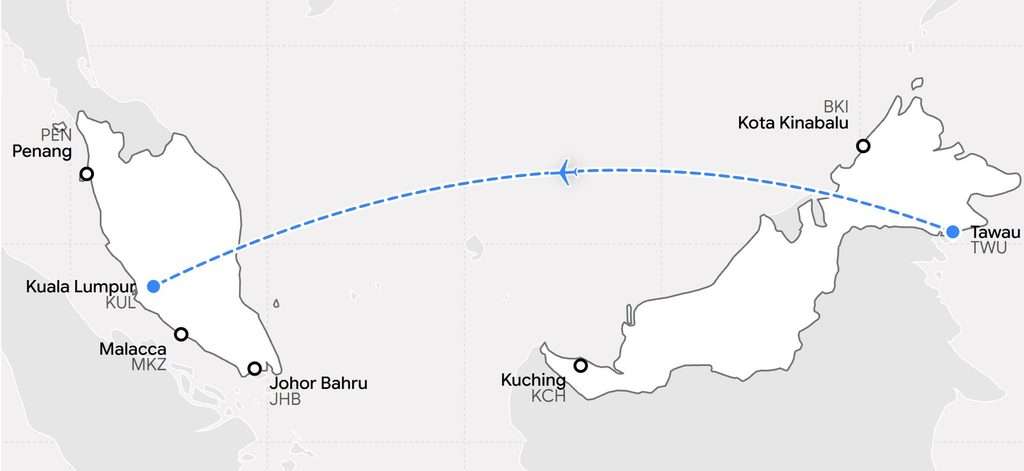
After a week of diving around Sipadan, it’s time to leave Borneo and move on to peninsular Malaysia. I’ve spent five weeks exploring Borneo from Kuching in Sarawak to diving at Mabul, Kapalai and Sipadan islands. My next stop is a 3-day sightseeing trip to one of Malaysia’s historically interesting cities, Malacca.
Getting to Malacca
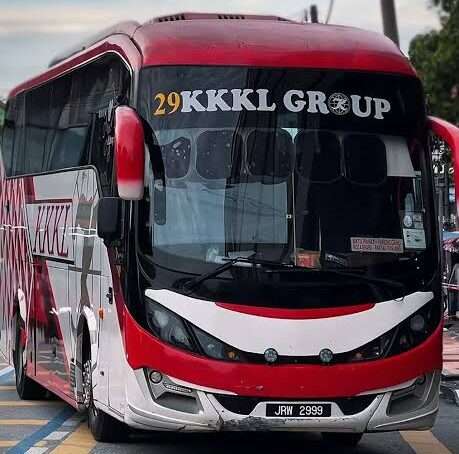
After an uneventful three-hour flight from Tawau to Kuala Lumpur, I spent the night at the airport hotel. The following morning, I caught a bus to Malacca, a two-hour journey from KL.
Long distance buses in Malaysia come with comfortable reclining seats and lots of legroom. Oh, and frigid air conditioning so I was glad to have a long sleeved shirt for the journey.
The bus dropped me off at the Malacca central bus station and then I took a Grab taxi to my hotel. I had three days to explore this former trading hub, take in the sights and partake in its famous food scene.
The Port City of Malacca
In contrast to the gleaming skyscrapers of modern and sprawling Kuala Lumpur, Malacca (Melaka in the official Malay spelling) is a historic port city on the west coast of Peninsular Malaysia.
Malacca was a major trading port in the1400s when merchants from the island of Sumatra (now part of Indonesia), China, India and the Middle East came to trade and settle. The city’s location along the Strait of Malacca made it an important stopping point for ships traveling between East and West.
Malacca also has a particularly interesting colonial history. Over three centuries, the city changed hands between the Portuguese, Dutch and British, with each leaving its mark on the architecture, culture and character of the city.
Even today, the Strait of Malacca continues to be one of the world’s most important maritime trade routes, connecting the Indian Ocean with the South China Sea. Almost 25% of global shipping, including much of the oil from the Middle East to major Asian economies such as China, Japan and South Korea goes through the Strait of Malacca.
Malacca and George Town on the island of Penang, Malaysia are both UNESCO World Heritage Sites. The two cities were recognized for their unique blend of Asian and European influences as well as their history of international trade and migration.
Exploring the City
My hotel was about a 15-minute walk from the historic district, where many of the original colonial-era buildings remain. Another 10 minutes on foot, crossing the Malacca River, took me to the older Chinese quarter, where merchants and traders once lived.
Today, this area is known for its traditional shophouses, local food and lively weekend night market. Visiting over the weekend was deliberate. I wanted to try some of the food that Malacca is famous for as well as visit the famous Jonker Street night market, one of Malacca’s main tourist draws (covered in my next post).
I booked a morning walking tour to learn a little more about Malacca’s history. Even at 8 a.m., the heat and humidity were already building. It was going to be a hot day for sightseeing.
From Portuguese to Dutch to British Rule
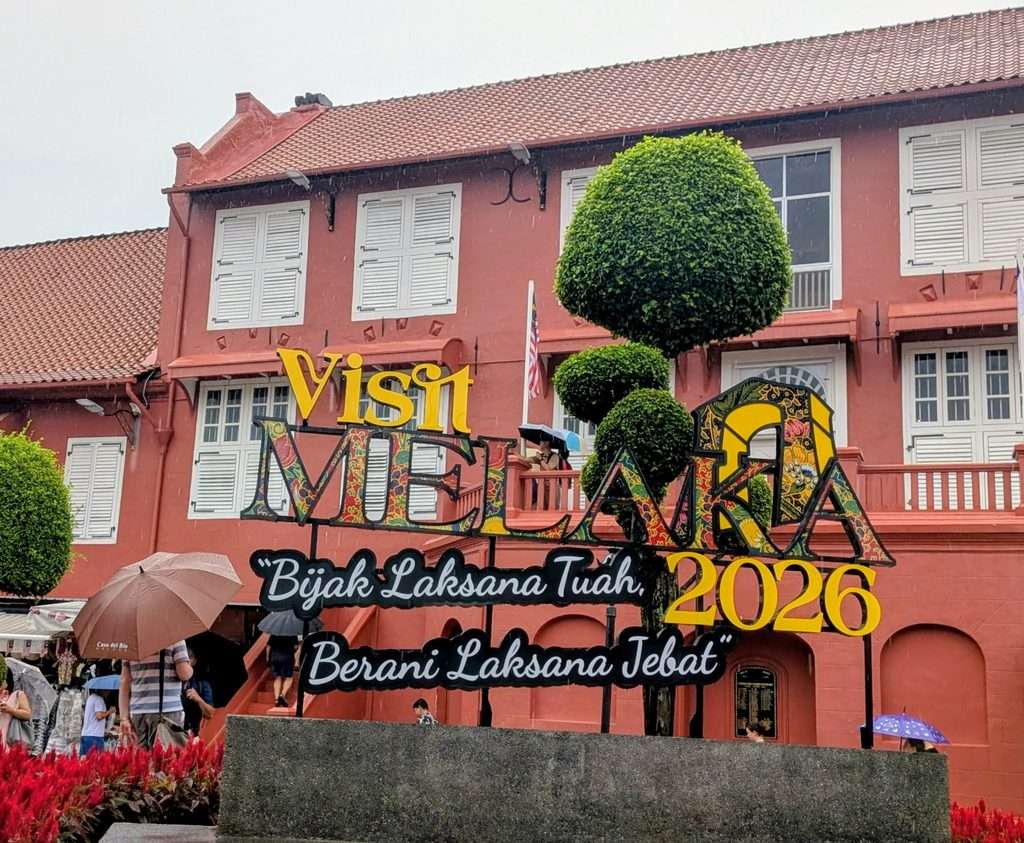
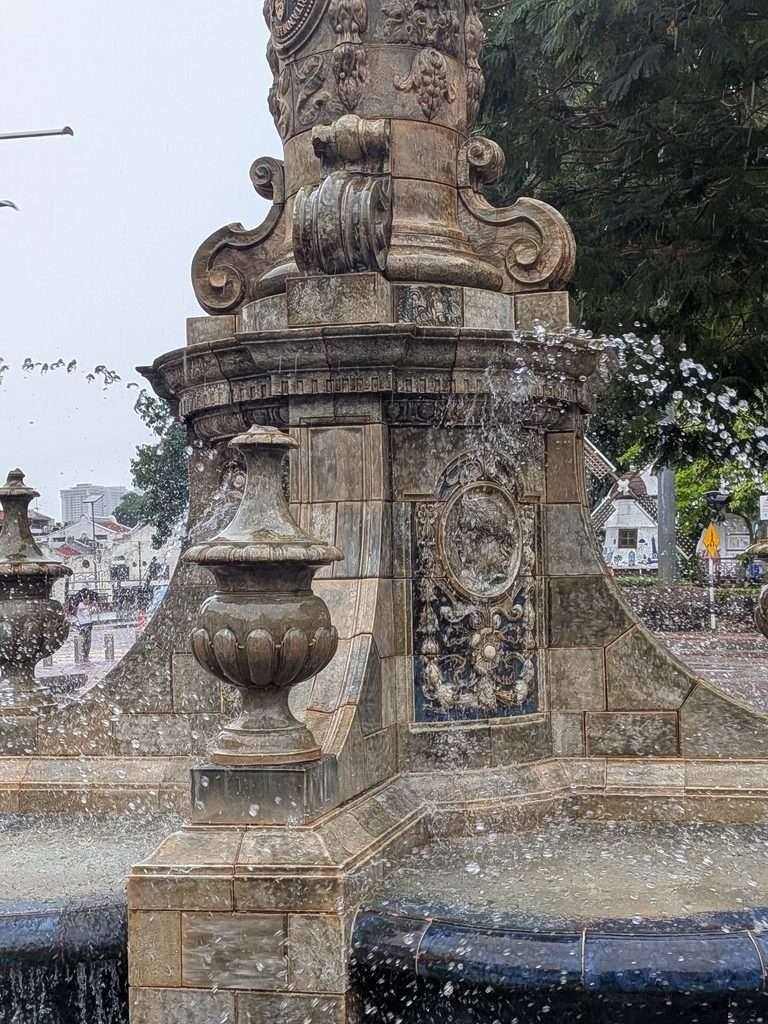
We started our tour looking at the European colonial period. Dutch Square goes back to the mid 1600s and ithe center of the historic area. Around Dutch Square are the old town hall, various administrative buildings and a church which still holds services each Sunday.
Reflecting the changes in colonial rule, Christ Church started out as a Dutch Reformed church and became an Anglican church after control of Malacca was passed to the British in the 1800s. Most building around the square follow the same pattern of original Dutch construction followed by British additions.
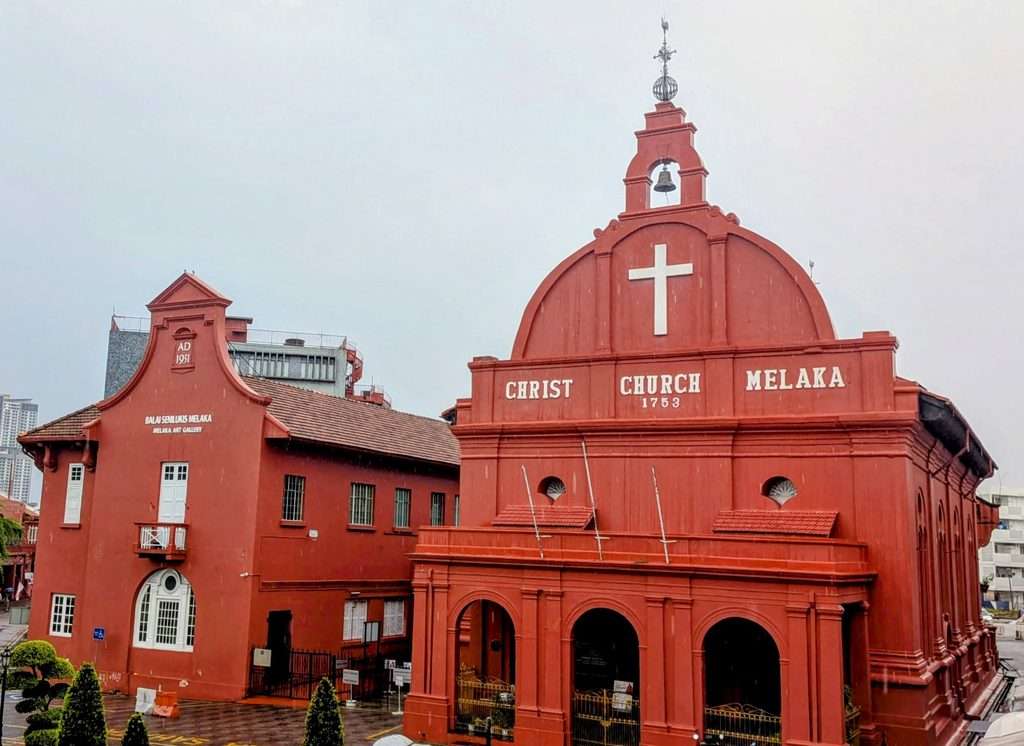
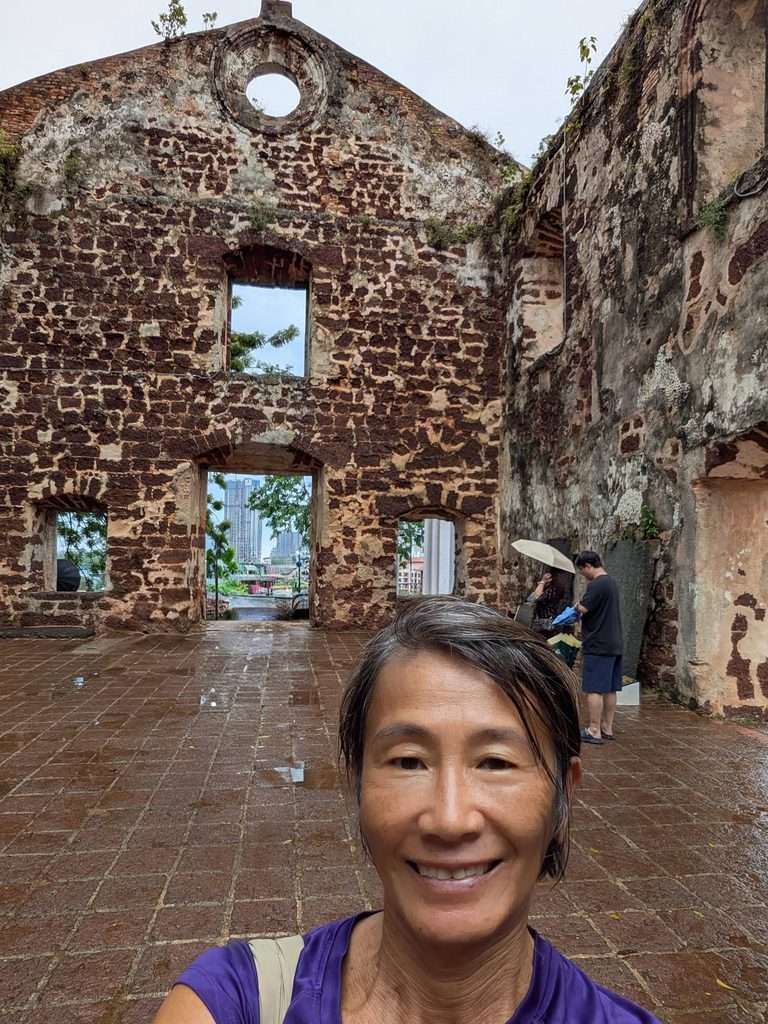
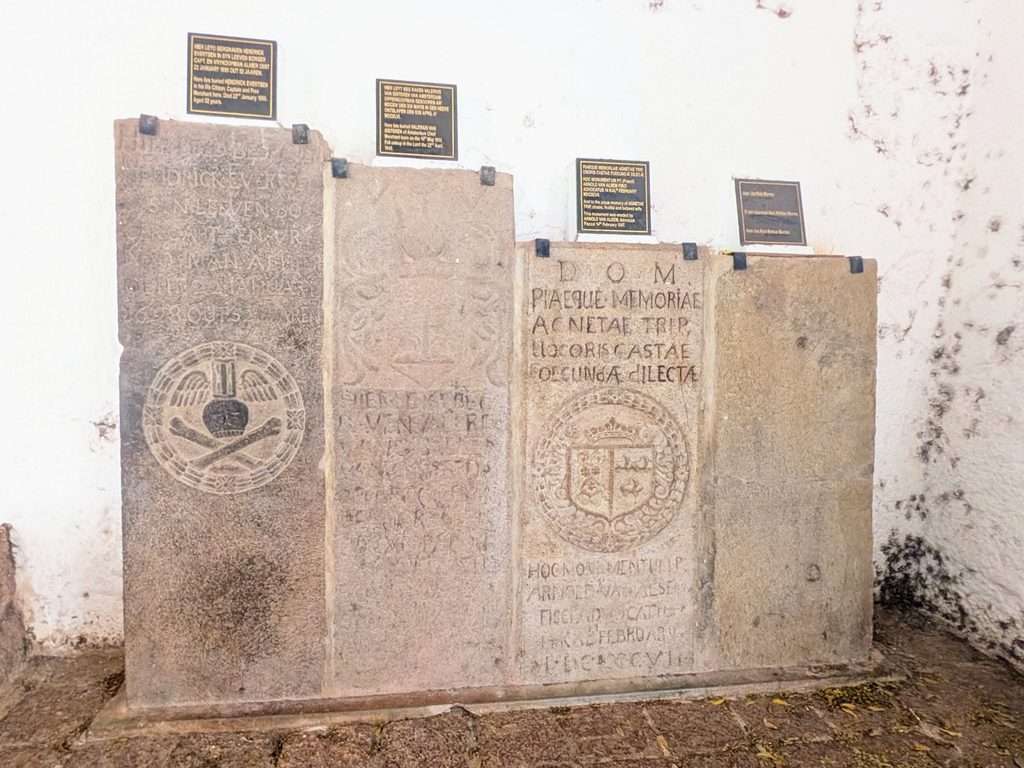
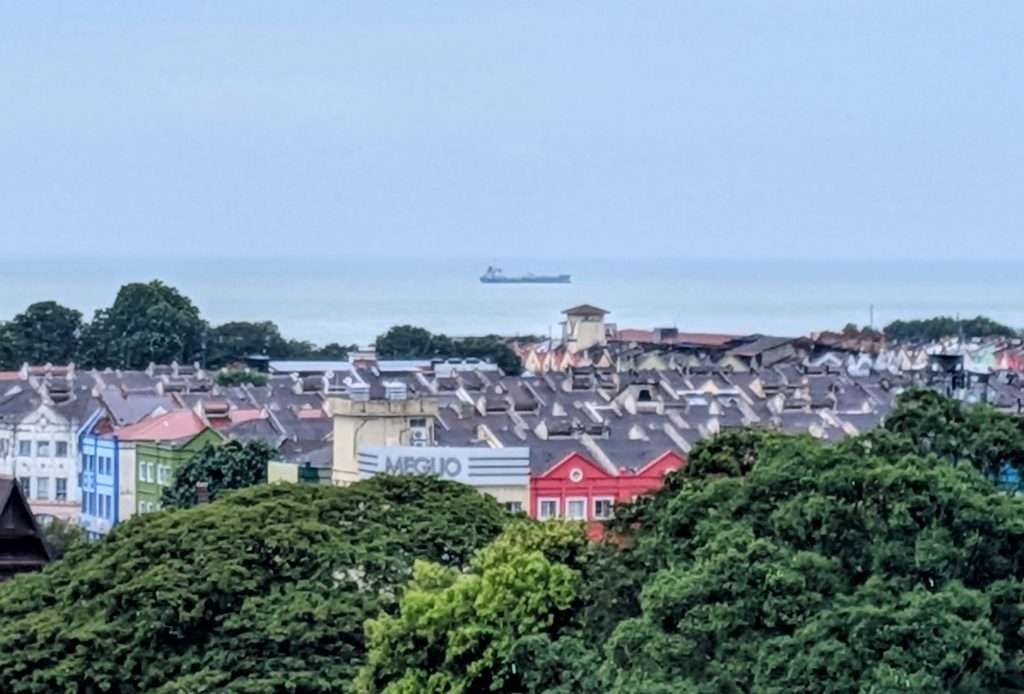
Then it was time to brave the hot steamy walk up the hill to St. Paul’s Church and take a look at the Portuguese impact on the city. Only the walls remain of St. Paul’s, the oldest church building in Malaysia. Inside the ruins are a collection of 16th and 17th century Dutch and Portuguese carved tombstones that are embedded in the walls and floor of the ruins. From the hilltop, I got a great view of teh Strait of Malacca and a cargo shipping moving through it.
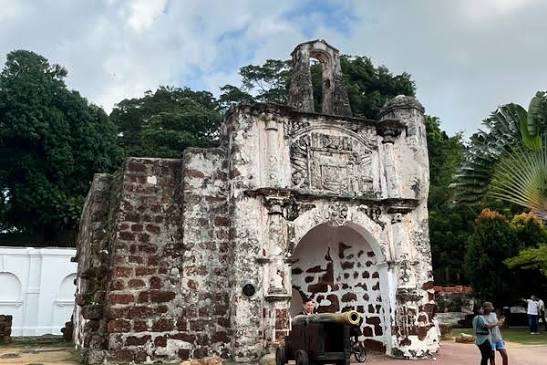
At the bottom of the hill are the remnants of one of the oldest European structures in Asia, A Famosa. The Portuguese took over Malacca and promptly built a fort around the city. The only piece that remains today is one of the gates after the British decided to dismantle most of the fort.
Across the River: Exploring Malacca’s Chinese Quarter
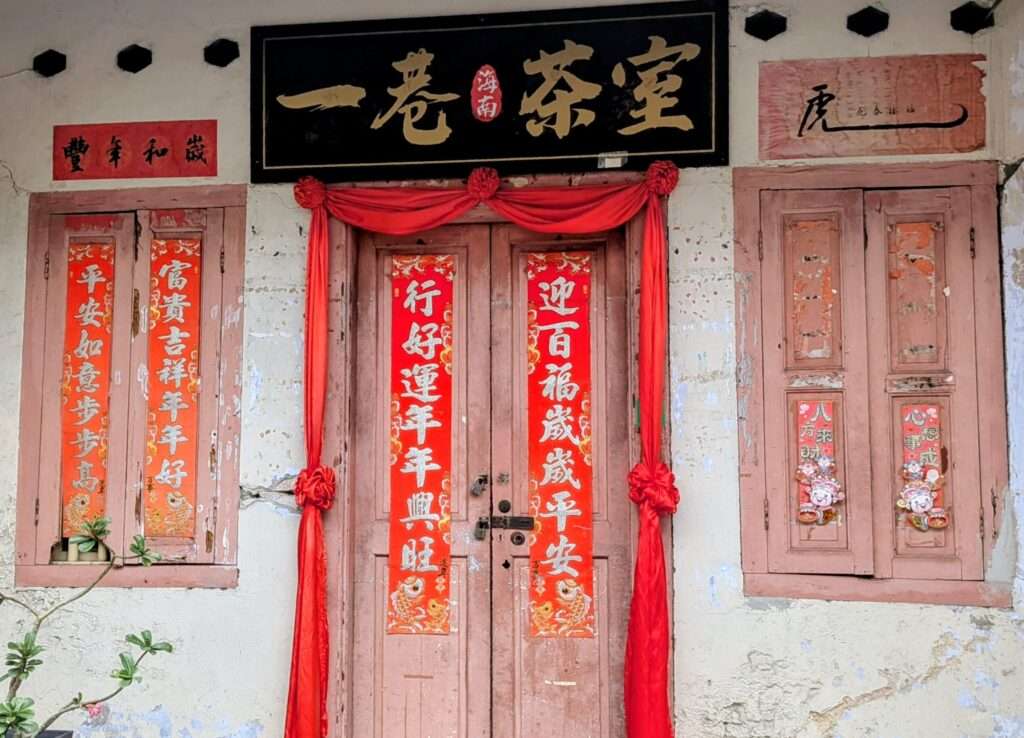
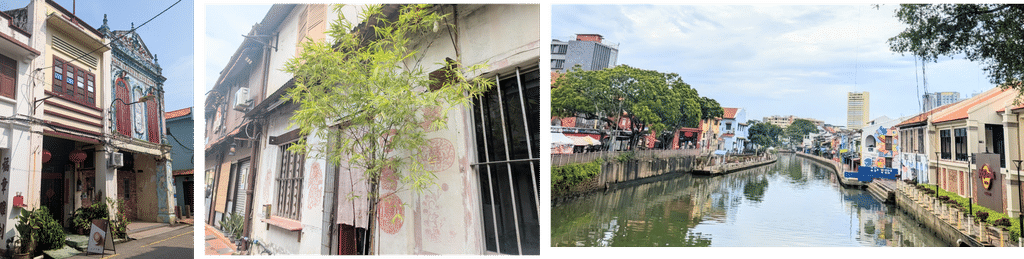
Across the river from the colonial buildings and European history is the historic Chinese quarter where generations of traders settled and built their businesses. The architecture and the narrow streets have a distinctly Chinese influence.
The Chinese merchants came to trade in the 1400s and the settlers who married the local women created a distinctive community known as the Peranakans. The Peranakan culture blends Chinese and Malay traditions with unique local cuisine, traditions and customs.
Traditional Chinese shophouses line the streets on this side of the river. Many of them have been converted to boutique hotels, restaurants, cafes and souvenir stores. The area bustles with tourists jostling for space on the narrow sidewalks particularly around Jonker Street.
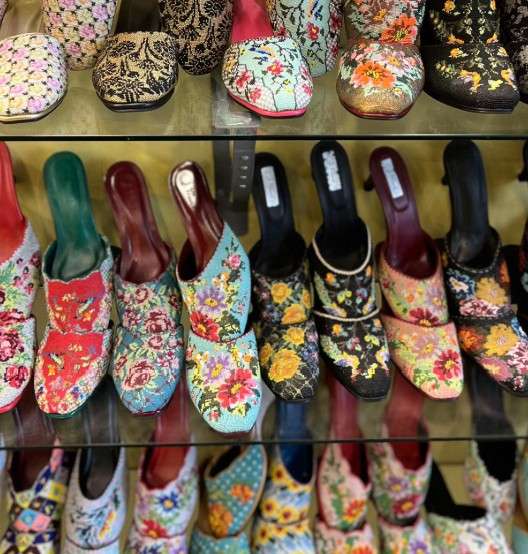
A highlight of my walking tour was a visit to a family run shoe making business that has been operating for over 100 years and is now in its 4th generation. The shop still makes intricate hand sewn Peranakan beaded shoes. These shoes can take 1-3 months to finish as the 5,000-20,000 glass beads are individually sewn into the fabric.
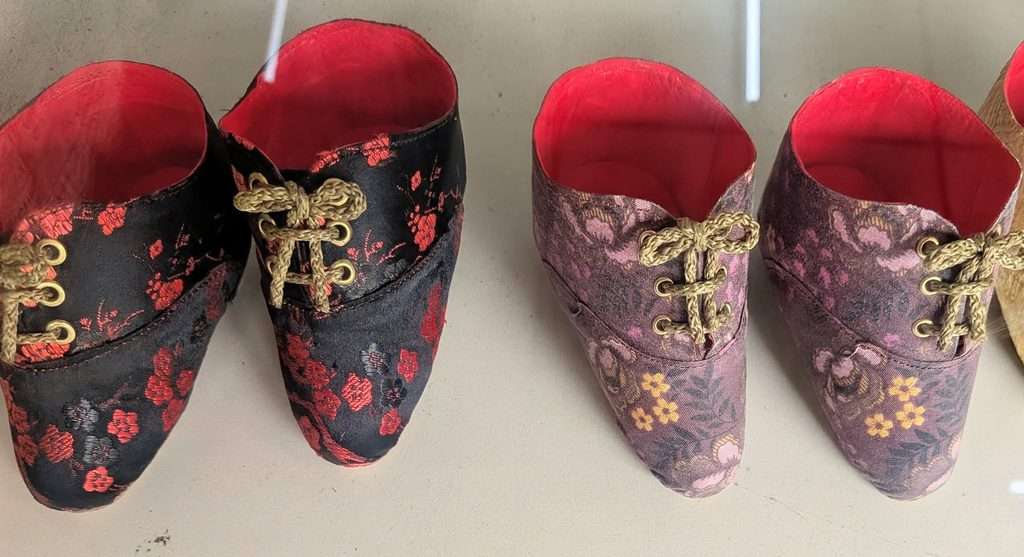
In one of the shop’s displays were pairs of bound-feet (“lotus”) shoes. Foot binding was a centuries old Chinese custom that continued into the early 20th century. Small feet were considered a mark of beauty and social status and the feet of 4 to 9 year old girls would be tightly wrapped to restrict their growth and deform the bones. The resulting “lotus feet” would measure 3-4 inches long.
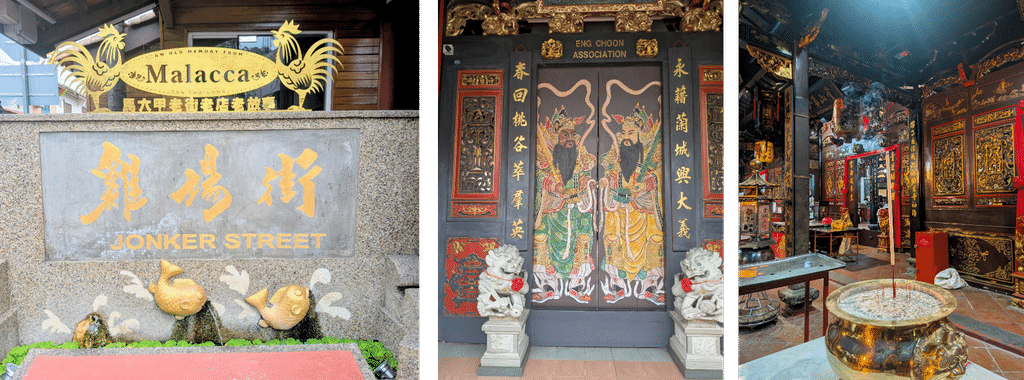
The area is also home to numerous Chinese temples and a street aptly named Harmony Street. Here, a Chinese temple sits next to a mosque which is next to a Hindu temple, all of which date back to the 1600-1700s and reflect the religious diversity of Malacca.
Overall, Jonker Street and its surrounding streets are a reflection of the Chinese heritage that is such an important part of Malacca’s identity. The traditional shophouses, temples, Peranakan influences make this area quite different from the European colonial administrative area across the river.
This area really comes alive in the evening, particularly on weekends, when the famous Jonker Street Night Market takes over the road. I’ll save that experience, along with Malacca’s food scene, for my next post.
Love,
Jingles and Mimi